
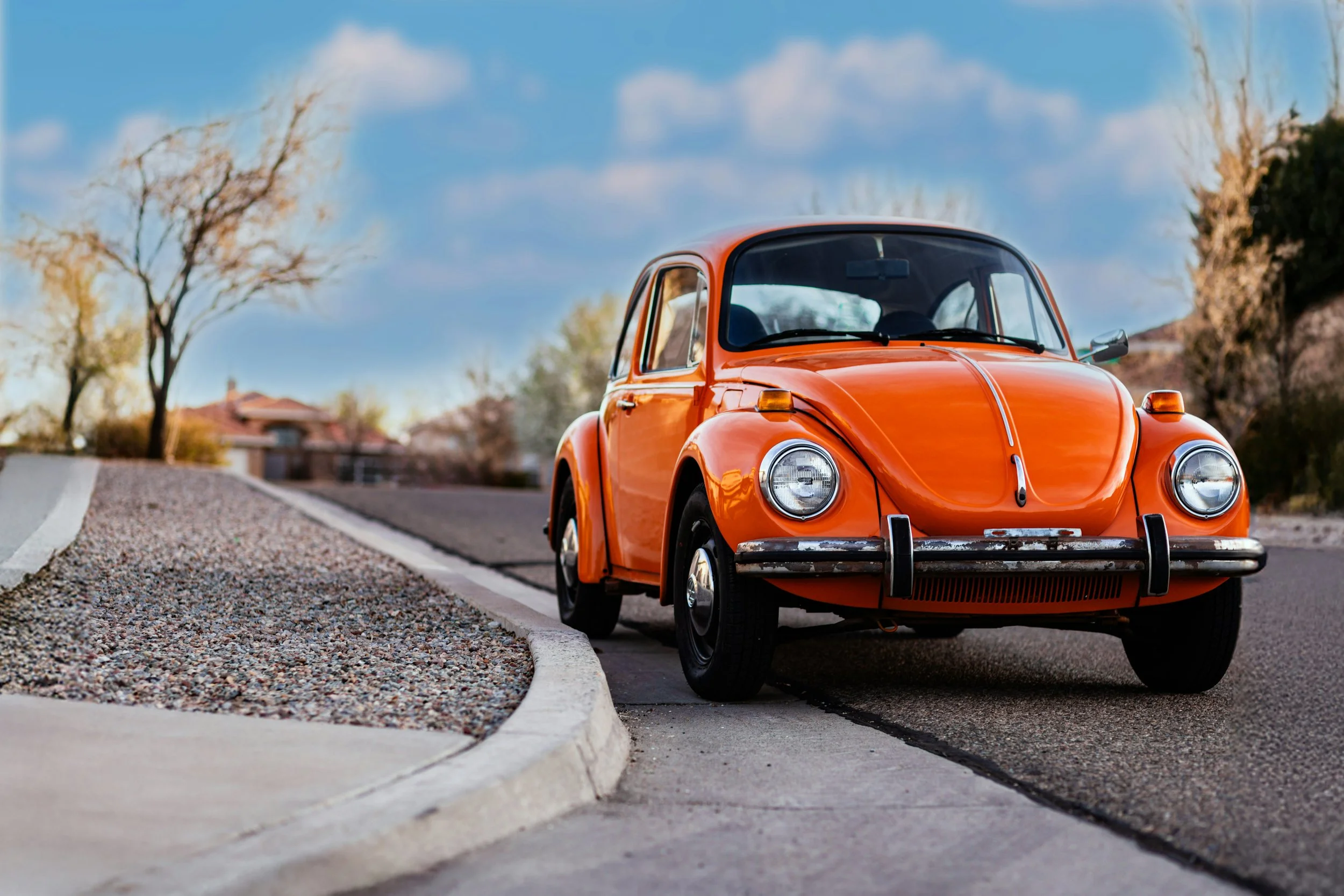
The Volkswagen Beetle belongs to the small group of cars that almost everyone recognises instantly.
Its rounded roofline, bulbous wings and friendly, compoact shape have become firmly embedded in the collective memory. It is therefore not surprising that Volkswagen keeps a close eye on new car models that come close to that classic design language. In a recent case, Volkswagen took aim at a registered EU design owned by Great Wall Motor for a car which, according to Volkswagen, came too close to the Beetle and the so-called Rometsch Taxi.
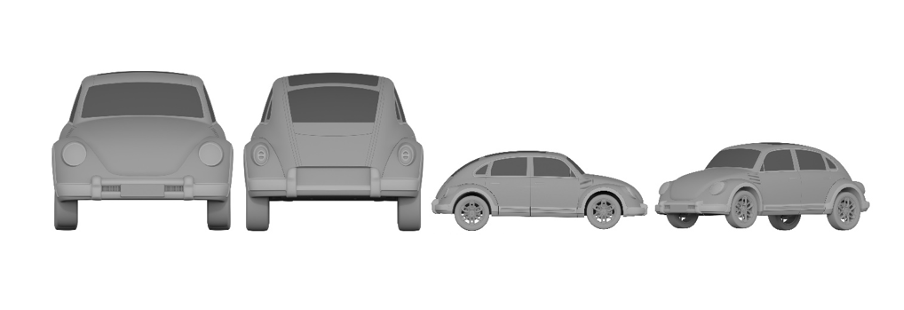
Applied-for design
Volkswagen argued that the design lacked individual character. In other words, the overall impression on the informed user would not differ from Volkswagen’s existing car models. The side view in particular played a major role in that argument. According to Volkswagen, the curved passenger compartment, sloping rear, rounded roofline, wings and general silhouette were all to recognisably derived from the Beetle. Great Wall Motor, by contrast, pointed to the differences: the modern line work, the larger glass areas, the glass roof, the four doors, the integrated bumpers and the different proportions.
The European Union Intellectual Property Office (EUIPO) did not accept Volkswagen’s argument. The earlier designs had indeed been made available to the public and could therefore be taken into account in the comparison. But the comparison could not be limited to the side view alone. Because the contested design had been registered in several views, those other views also had to be considered. It was precisely there that important differences could be found. The classic Beetle was a two-door car, whereas Great Wall Motor’s design has four doors. According to the EUIPO, the windows, wheel arches, wings, roof section, rear and integrated body line also contributed to a different overall impression.
The EUIPO also founded that sufficient distance remained in relation to the Rometsch Taxi, which came closer because of its four doors and elongated shape. The earlier taxi had more protruding and clearly separated wings, smaller windows, different door handles, different rear lights, and decorative elements on the bonnet that were absent from the contested design. The result was that Great Wall Motor’s design remained standing.
The decision shows that, for a design, particularly in an area with many earlier designs, it can be relatively straightforward to differ from what already exists by adding a degree of individual input and making certain adjustments. That also means, however, that the scope of protection of such a design is limited. Nevertheless, a design registration is a strategic intellectual property right that every product designer should consider when introducing new products.
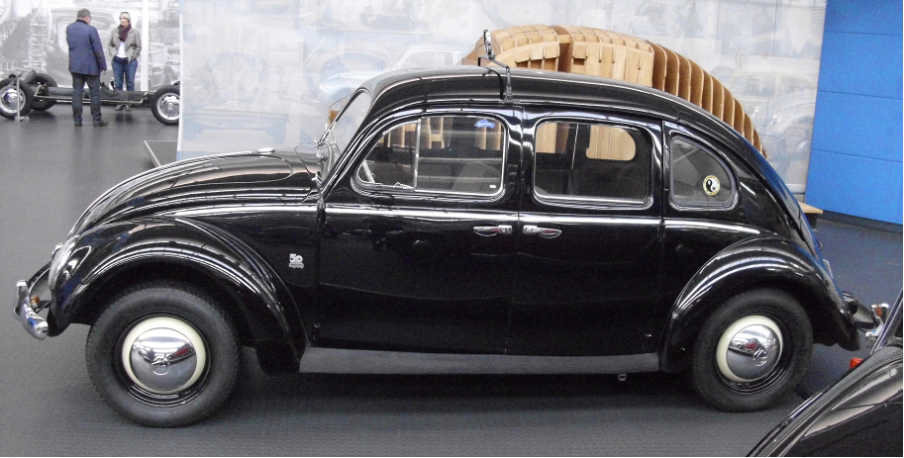
Rometsch Taxi
Author: Arnaud Bos
Bio: Arnaud is trademark attorney and within Knijff responsible for the marketing & communication. Arnaud is specialist in the metaverse and music sectors and his client portfolio includes many upcoming and renowned bands. He keeps a close eye on the latest case law in the EU and will let you know when he sees remarkable applications.