
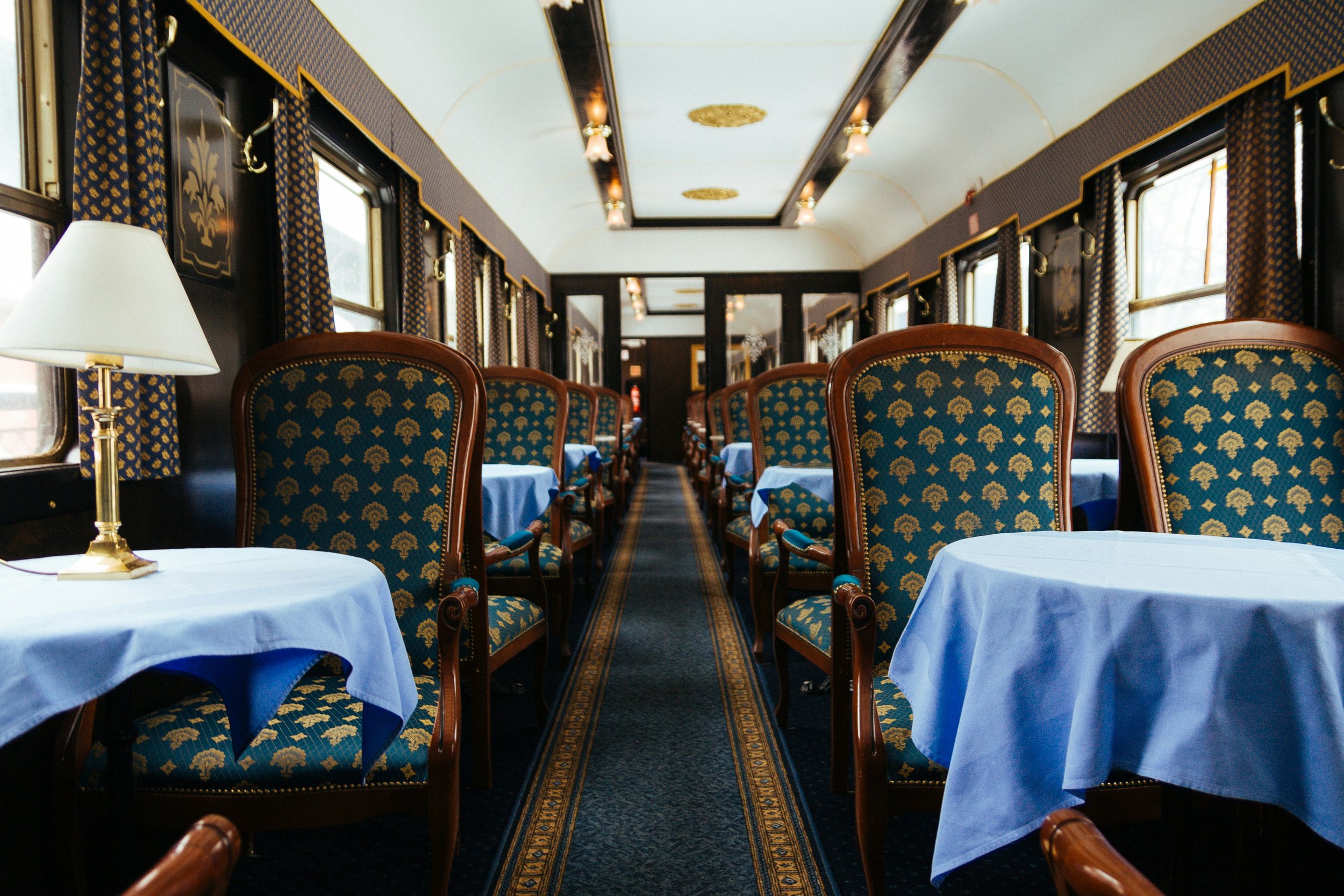
The Orient Express is one of the most famous trains in the world. The name instantly conjures up luxury rail travel across Europe, Christmas films and murder mystery novels.
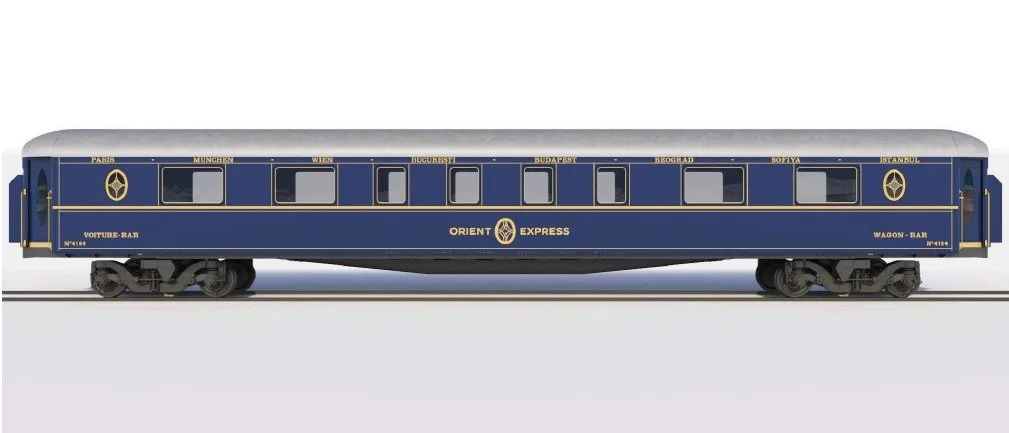
Orient Express now wants to register that image, quite literally, as a trademark. An application has been filed with the European Union Intellectual Property Office (EUIPO) for a 3D trademark consisting of a dark blue carriage with gold details, including the inscriptions ORIENT EXPRESS and WAGON-BAR. The long list of European cities above the windows is also part of the design.
Interestingly, what is claimed is not just the name or the logo (the owner already have these marks registered before), but the appearance of the carriage as a whole. The application, filed on 10 July 2026, also covers a broad field: from vehicles and toys to transport, entertainment, hospitality and wellness. The application is still pending before the EUIPO.
A 3D trademark can protect the shape or appearance of a product, but only if it can function as a trademark. Consumers must therefore be able to recognise the design as an indication of commercial origin, and not merely as an attractive or functional design. With a carriage that also incorporates well-known word and figurative elements, we expect this to work out.
The application shows how a well-known trademark can extend its protection beyond its name and logo, and try to capture its entire look and feel in a trademark registration. Particularly where a characteristic design has become strongly associated with your trademark through years of use, it may be worth considering whether that overall visual impression also deserves a place in the trademark portfolio.
Author: Arnaud Bos
Bio: Arnaud is trademark attorney and within Knijff responsible for the marketing & communication. Arnaud is specialist in the metaverse and music sectors and his client portfolio includes many upcoming and renowned bands. He keeps a close eye on the latest case law in the EU and will let you know when he sees remarkable applications.