
Use your brand as a trademark
Thanks to its innovation, the Dutch horticulture, agriculture, and gardening sectors are one of the pillars of the Dutch economy. But the growers and farmers need to come up with names for all the wonderful new things they grow and cultivate. Coming up with a name is difficult enough, but often two names are needed for each new product. That requires some explanation.
Variety/species name and brand name
Suppose you are Henry Ford and you have just invented the car. That product did not have a name before you made it, so you call it ‘the car’. Or, more likely in that era, ‘automobile’. This name of the product is the so-called generic name, which only indicates what product it is.
Next, you naturally want to make it clear that the car comes from your factory and not from Mr. Chrysler's factory around the corner, your major competitor. That is why you sell the car under the FORD brand name and write this clearly on the back of the car so that everyone can see that it comes from your factory.
It's not much different with vegetables, fruit, flowers, and plants. When a new variety is cultivated, it is given a variety name. This is just a name that describes what kind of plant it is and not which grower it comes from. For that, there is the brand name that appears on the sticker or label.
Sequioa
The fact that things can sometimes go completely wrong with the use of a trademark was demonstrated by the recent ruling of the EU Court of Justice in the SEQUOIA case. This case did not concern the name of the famous trees, but a trademark registration. Rústicas del Guadalquivir SL had registered the name SEQUOIA as a trademark for fresh fruit and vegetables in 2008.
Several years passed and competitor Fall Creek Farm believed that SEQUOIA had not been used as a trademark at all during that time. Fall Creek Farm took legal action to have the trademark registration revoked. If a trademark is not used for five consecutive years, its revocation can be invoked.
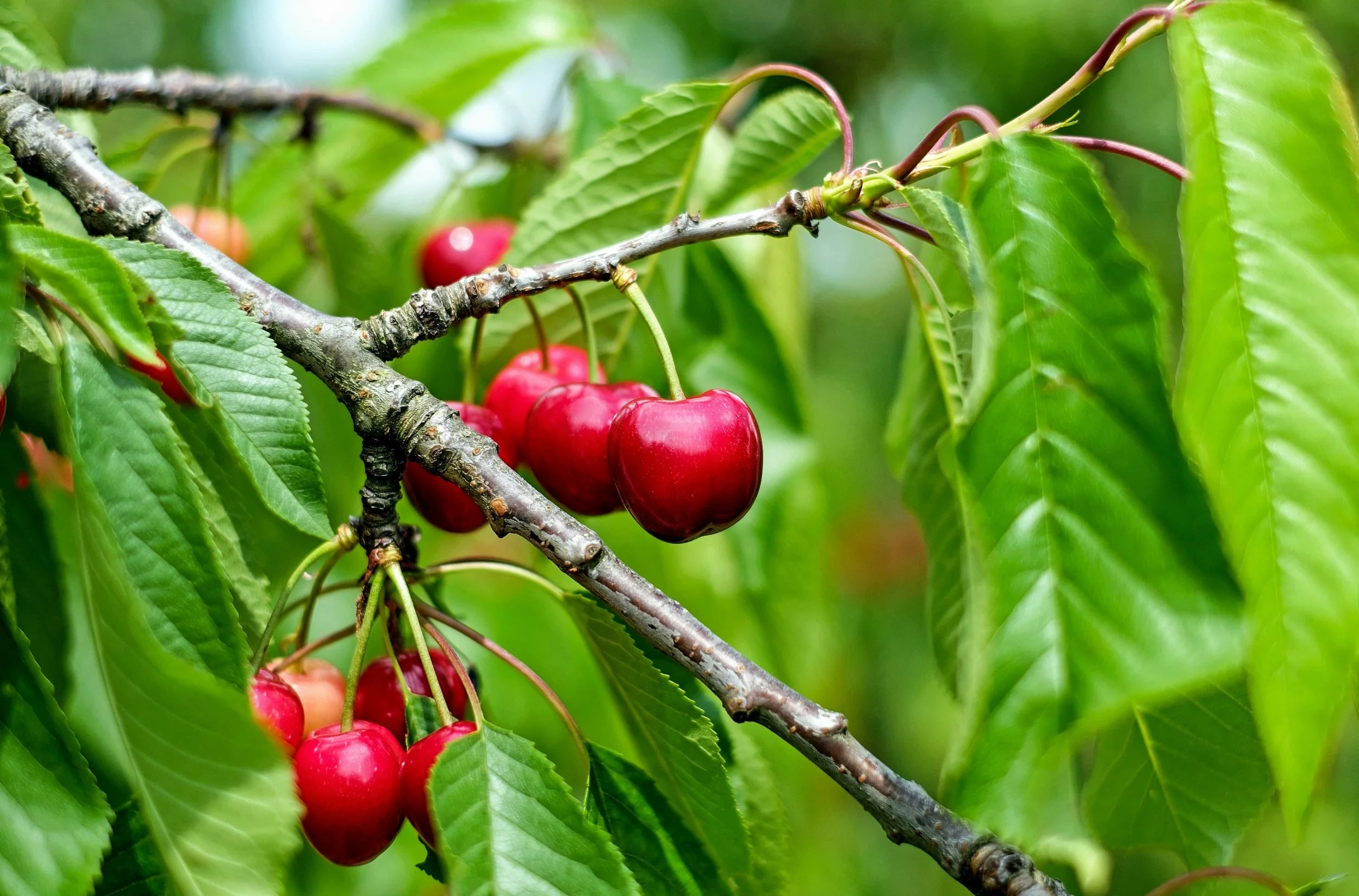
Rústicas naturally disagreed with this and submitted evidence that the trademark was being used. It provided invoices, licenses, statements, and even supermarket advertisements to prove that the trademark was indeed being used. However, it turned out that the name SEQUOIA was mainly used to describe a certain type of fruit (cherries) and not so much to indicate the origin of the product. Rústicas did do this sporadically here and there, but not to a sufficient extent and consistently enough to maintain its trademark rights. The court ruled that the trademark registration had been rightly revoked.
The important lesson to be learned from this story is to always pay close attention to how you use names for your horticultural products. The line between variety/species names and brand names is not always clear and can sometimes feel unnatural. If in doubt, always contact Knijff's trademark advisors, who specialize in trademark law for the horticultural sector.
Author: François Mol
Bio: François is a experienced trademark attorney. François specialises in brand protection for the horticultural sector and advises many growers, breeders and suppliers on how best to protect their brands.