DeepSeek: widespread recognition is no free pass to trademark registration
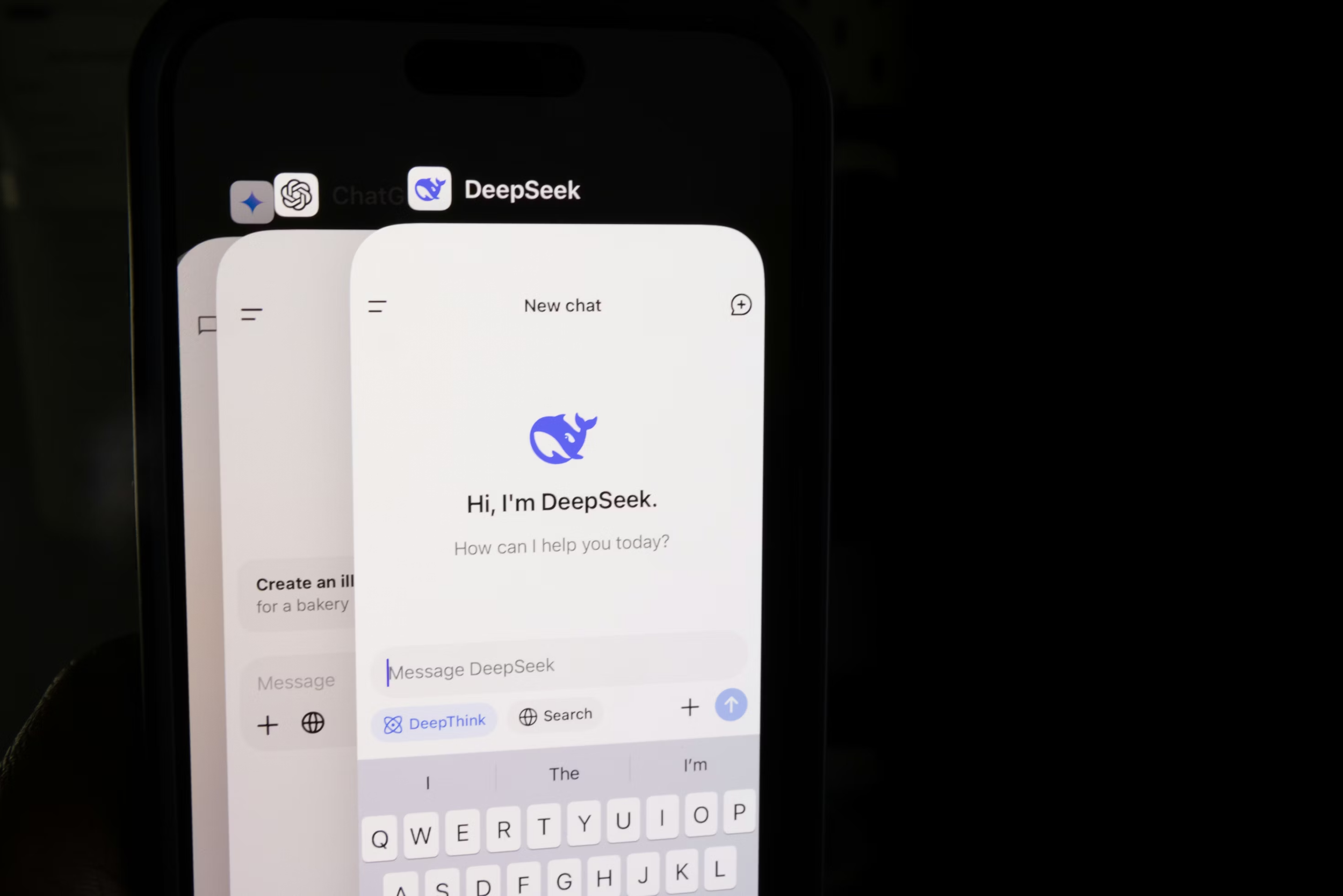
DeepSeek is familiar to many people as artificial intelligence tool.
The Chinese company specialises in the development of advanced large langue models, and in a short period of time it has attracted a great deal of attention with its AI models and applications.
Despite that recognition, a European trademark application for DEEPSEEK ran into an earlier right: the DEEP trademark owned by Post Luxembourg. As a result, the European Union Intellectual Property Office (EUIPO) refused the DEEPSEEK application for a large part of the goods and services concerned. Significantly, the refusal covered precisely the area in which DeepSeek operates: software, digital applications, and data and communication services.
The EUIPO compared DEEP with the trademark DEEPSEEK and found that there was similarity, particularly because the earlier mark appears in its entirety at the beginning of the later sign. The additional element SEEK did not help the applicant enough. For the relevant French public, neither sign had a clear meaning, which meant that the shared element DEEP carried more weight. The EUIPO therefore considered the signs at least moderately similar both visually and aurally.
The EUIPO then looked at the goods and services at issue. For many software products, data-related goods, telecommunication services and technological services, the Office found overlap, or at least a sufficient degree of similarity, with the earlier rights. In that context, the EUIPO considered it quite plausible that the public would see DEEPSEEK as a variant, sub-brand or extension of DEEP. And that is exactly where the trademark risk lies: it is not only direct confusion that matters, but also the possibility that consumers will think the two marks come from the same company, or from economically linked companies.
What makes this case particularly interesting is that DeepSeek’s undeniable public recognition did not save the application. In practice, people sometimes assume that commercial visibility or media attention automatically crest a strong position for registration. However, in trademark law, the real question is not whether a name has already attracted attention, but whether, for the goods and services applied for, it keeps sufficient distance from earlier marks. Recognition may help commercially, but it is no free pass to register a mark over an earlier right.
For practice, this is a useful lesson. Especially in the tech sector, where brands often scale internationally and become visible very quickly, an early clearance search is anything but a luxury. The bigger the hype around a name, the easier it is to assume that the legal side will naturally fall into place afterwards. This decision shows that things can also go the other way around: first recognition, and then a serious obstacle at the registration.
Author: Arnaud Bos
Bio: Arnaud is trademark attorney and within Knijff responsible for the marketing & communication. Arnaud is specialist in the metaverse and music sectors and his client portfolio includes many upcoming and renowned bands. He keeps a close eye on the latest case law in the EU and will let you know when he sees remarkable applications.