DIOR vs DAUR: a shining victory for Dior
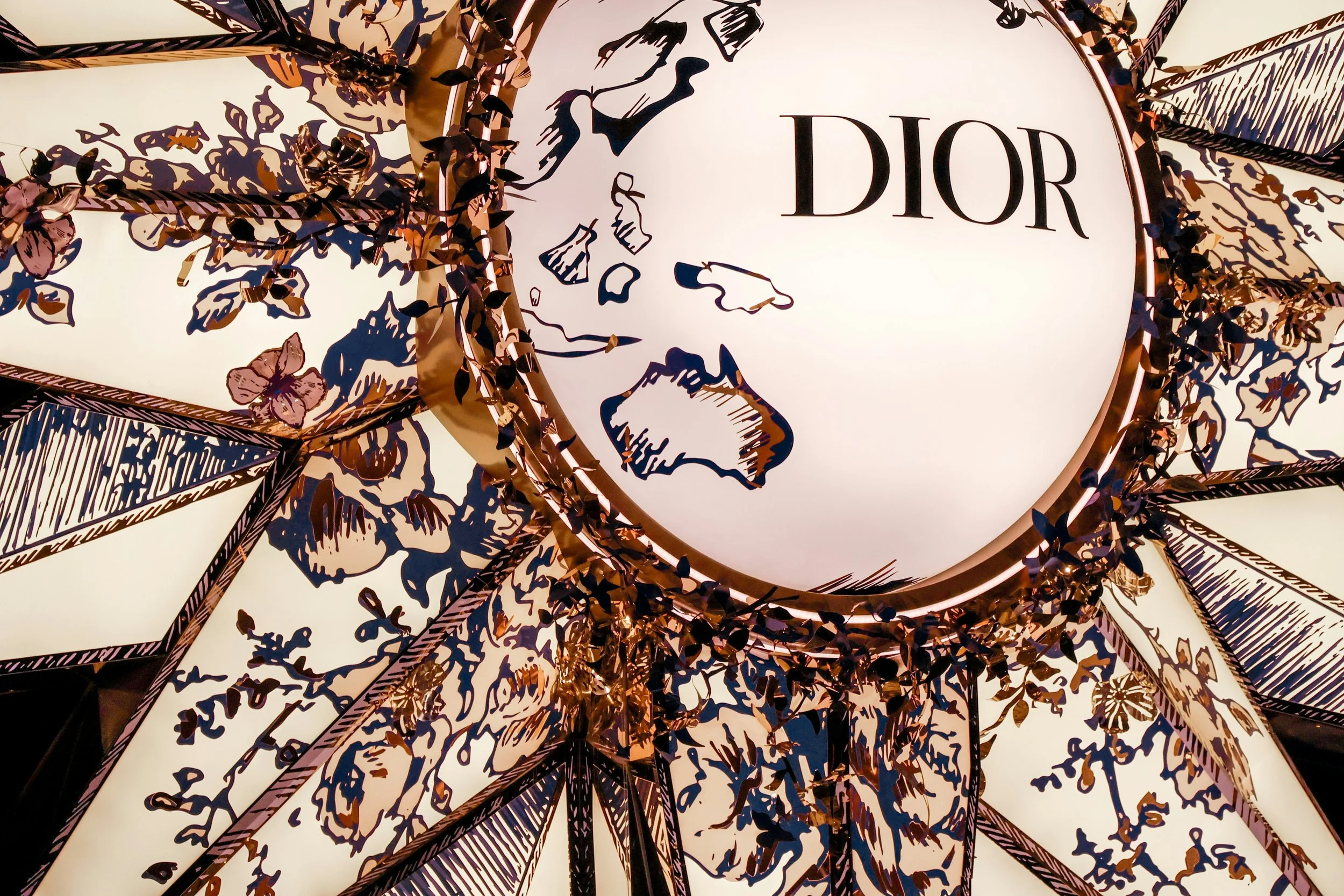
Some trademarks are so well known that they need little introduction. Dior is one of them.
The French fashion house, founded in 1946, has grown into a global symbol of fashion, perfume, cosmetics and luxury. That level of recognition is an important asset in trademark disputes. This was once again apparent in an opposition against the European trademark application DAUR, filed for a broad range of goods and services, from cosmetics and clothing to lifestyle products and fashion-related services.
Dior argued that DAUR came too close to DIOR and relied, among other things, on the broader protection afforded to reputed marks. To do so, Dior naturally had to show that DIOR does indeed enjoy a reputation. It did so convincingly. The Opposition Division of the European Union Intellectual Property Office (EUIPO) considered a wide body of evidence: historical information about the fashion house, sales figures, market shares, advertising expenditure, annual reports, awards, mentions in beauty and fashion magazines and Dior’s presence in international media, including series and documentaries. Dior’s social media channels also played a role, with millions of followers and widely viewed campaigns on platforms such as Instagram, TikTok, YouTube, LinkedIn, Pinterest and Facebook.
According to the Opposition Division, that evidence showed that DIOR has been used intensively for a long time and enjoys a strong reputation in France for cosmetics and perfumes.
The Opposition Division then turned to the signs DIOR and DAUR. Visually, the similarity was limited, but phonetically the position was different: in French, DAUR may come close to DIOR. For a large number of goods and services, a link in the mind of the relevant public could be assumed. This applied not only to cosmetics and perfumes, but also, for example, to clothing, jewellery, bags, home and lifestyle products and fashion-related services. According to the Opposition Division, DAUR could therefore ride on the coat-tails of DIOR’s image: glamour, style, luxury and trend sensitivity. The application was therefore refused for many goods.
The decision shows that reputation, if convincingly proven, is a powerful weapon. Dior succeeded precisely because its evidence was both diverse and concrete. Sales and advertising remain important, but brand visibility through social media, the press, rankings, awards and popular culture can certainly strengthen the file as well.
Author: Arnaud Bos
Bio: Arnaud is trademark attorney and within Knijff responsible for the marketing & communication. Arnaud is specialist in the metaverse and music sectors and his client portfolio includes many upcoming and renowned bands. He keeps a close eye on the latest case law in the EU and will let you know when he sees remarkable applications.