
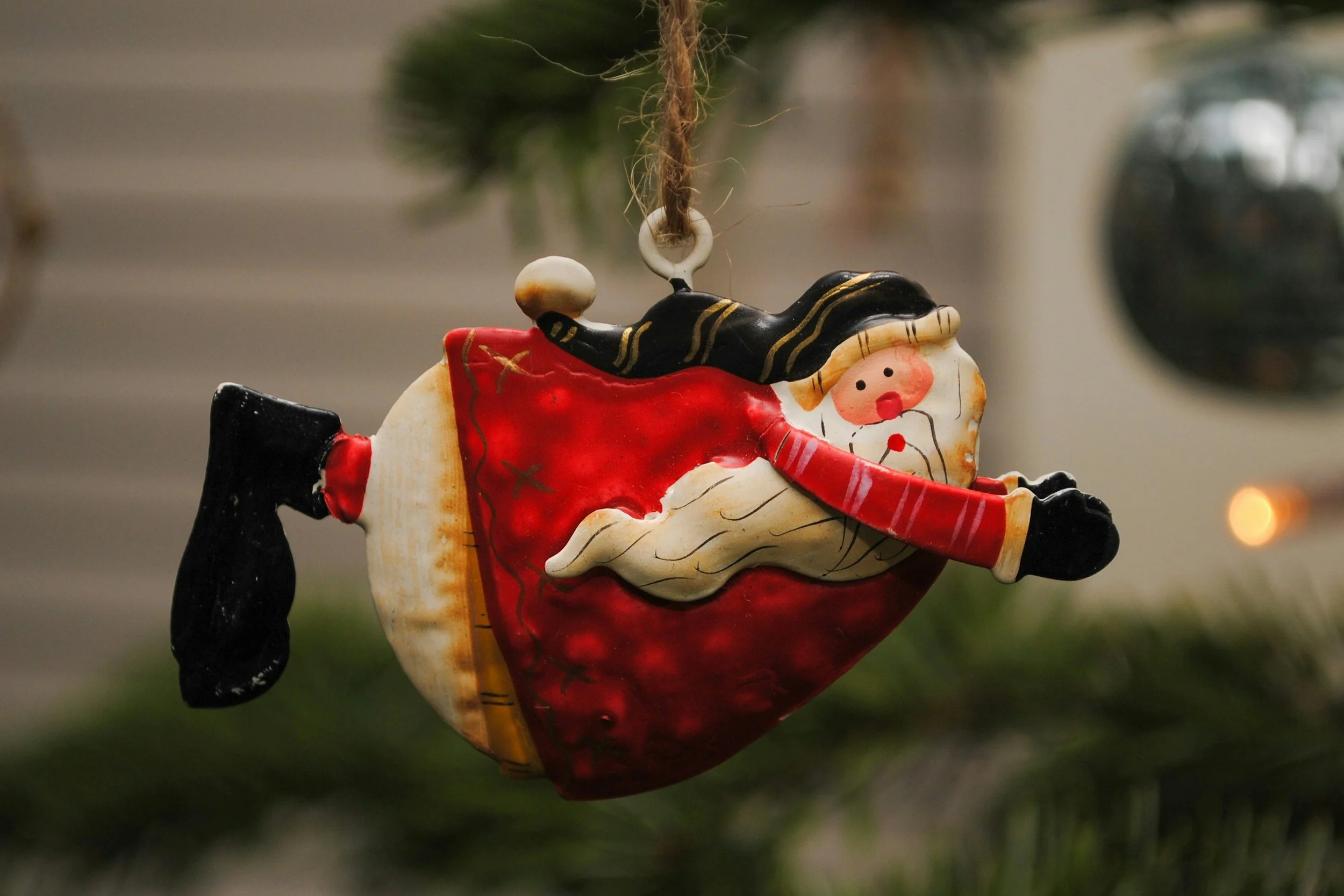
Rovaniemi is a city in Finnish Lapland that has long presented itself as the home of Santa Claus.
With a Santa Claus Village of its own, the place attracts more than 600,000 visitors a year. The city itself owns the European Union word mark THE OFFICIAL HOMETOWN OF SANTA CLAUS, registered in 2009 for, among other things, advertising, telecommunications, transport and travel arrangements.
An official home of Santa Claus? Santa is a fictional character, after all, so who can claim to be his hometown? It is a fair question, and one that led journalist Lex Boon to investigate further. Boon wrote a book about his investigation and its results, titled 'Ho ho ho'.
Interestingly, Boon put the question to the European Union Intellectual Property Office (EUIPO) by filing an invalidation action against Rovaniemi's EU trademark. Boon argued that the slogan is too descriptive: the words are merely an advertising message and therefore do not indicate origin. He also considered the claim misleading, because nobody can officially appoint a city as the hometown of Santa Claus. The city, unsurprisingly, did not share Boon's view. It argued that the mark is a fanciful combination (and therefore does have distinctive character), that the public understands perfectly well that Santa Claus is a fictional person, and that the mark does not make a misleading statement.
According to the EUIPO, a slogan can perfectly well be a trademark, even if it advertises. The question is whether the public sees the words solely as an advertising message. That was not shown to be the case here. The mark does not mention Rovaniemi and refers to the hometown of a figure from stories. In the EUIPO's view, this combination of something official with Santa Claus is somewhat paradoxical, which makes the mark more than a banal promotional claim. Nor does the mark describe a characteristic of the services, as there is no direct and concrete link with, for example, transport or telecommunications. Neither is the mark misleading. The public will not think that an official body exists that designates the hometown of Santa Claus, and the mark says nothing untrue about the services themselves.
That Rovaniemi may keep its trademark does not mean that the EUIPO has determined that Santa Claus lives there or that the city has any official status. The EUIPO did not rule on that. It assessed only the mark in relation to the services for which it is registered. The very fact that a fictional person has no official hometown, and that the mark therefore contains a certain degree of exaggeration, was sufficient reason to dismiss the invalidation action. The question remains whether Boon took this claim too seriously, or whether it was because it is Rovaniemi making it (we will certainly be reading the book). We can imagine that if other cities were prevented from communicating that they are the hometown of Santa Claus, Rovaniemi's claim would take on an unlawful quality. Incidentally, Boon need not grieve for long: he is the proud owner of a trademark of his own, The Official Hometown of the Easter Bunny (where that may be).
Author: Arnaud Bos
Bio: Arnaud is trademark attorney and within Knijff responsible for the marketing & communication. Arnaud is specialist in the metaverse and music sectors and his client portfolio includes many upcoming and renowned bands. He keeps a close eye on the latest case law in the EU and will let you know when he sees remarkable applications.