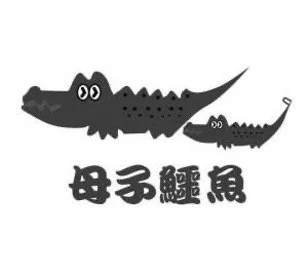
Two crocodiles and Chinese characters: a Taiwanese company recently attempted to register a figurative trademark for clothing, footwear and related retail services.
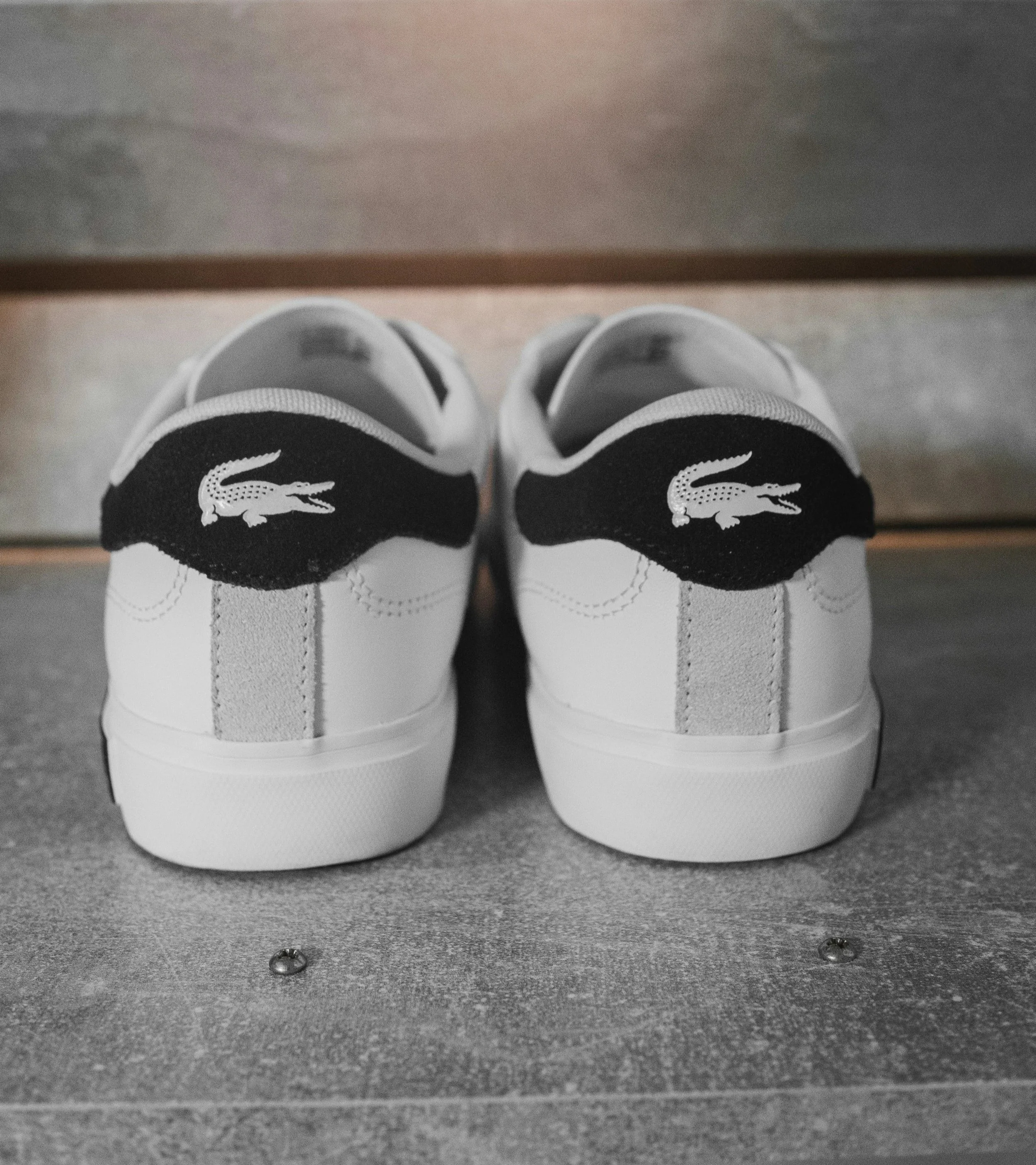
A crocodile logo for apparel? That instantly catches the eye of Lacoste’s trademark team. The company is notoriously vigilant toward anyone trying to claim similar figurative marks, in order to prevent free-riders from capitalising on its iconic brand.
Lacoste promptly filed an opposition. The brand argued that consumers would make a connection between the marks, allowing the Taiwanese company to benefit from Lacoste’s reputation. To substantiate this, Lacoste submitted extensive evidence of its brand’s renown.
The key question in this opposition is whether the marks actually resemble each other sufficiently. Crocodiles in a logo? Check. But can Lacoste take action against every crocodile? Even when they don’t look alike—indeed, in this case there are even two crocodiles?
The European Union Intellectual Property Office (EUIPO) considered the matter and first acknowledged that Lacoste’s crocodile logo enjoys a strong reputation for clothing, especially polo shirts, calling it “a powerful symbol with significant distinctiveness.” It then held that the two marks are only moderately similar visually. Conceptually, however, they are highly similar. Is that enough for consumers to make a mental link? Yes, says the EUIPO. The opposition was partially upheld: the use of similar crocodile images would allow the applied-for mark to take unfair advantage of Lacoste’s reputation.
Services such as import–export, advertising, and online marketing, however, are too far removed from Lacoste’s business. Consumers are unlikely to associate the marks in relation to those services. For these categories, the trademark may be registered.
Still, Lacoste continues to show its bite—even when the application features Chinese characters and a crocodile with seemingly different characteristics from its own iconic reptile. That is the power of a brand with a strong reputation.
Author: Lieneke Buis
Bio: Lieneke has been working at Knijff as a Trainee Trademark Attorney since April. She completed her honours bachelor’s degree in Law at Utrecht University and her Master’s in Information Law at the University of Amsterdam in 2024 with a thesis on greenwashing in trademark law. During her studies, she gained broad practical experience in intellectual property law through the Clinic Law Incubator and internships at various law firms. Outside of work, Lieneke enjoys cooking, discovering unique wines with her wine club and playing field hockey.