LEDGER WALLET rejected as a trademark
In the crypto world, the saying goes: “not your keys, not your coins”. This means that you must hold the private keys that give access to your cryptocurrencies. If you do not hold them yourself, for example because your crypto is stored on a platform, you do not truly own your crypto.
Independence and direct access to assets are extremely important in the crypto world and are, in essence, also the starting pint of Bitcoin and other cryptocurrencies.
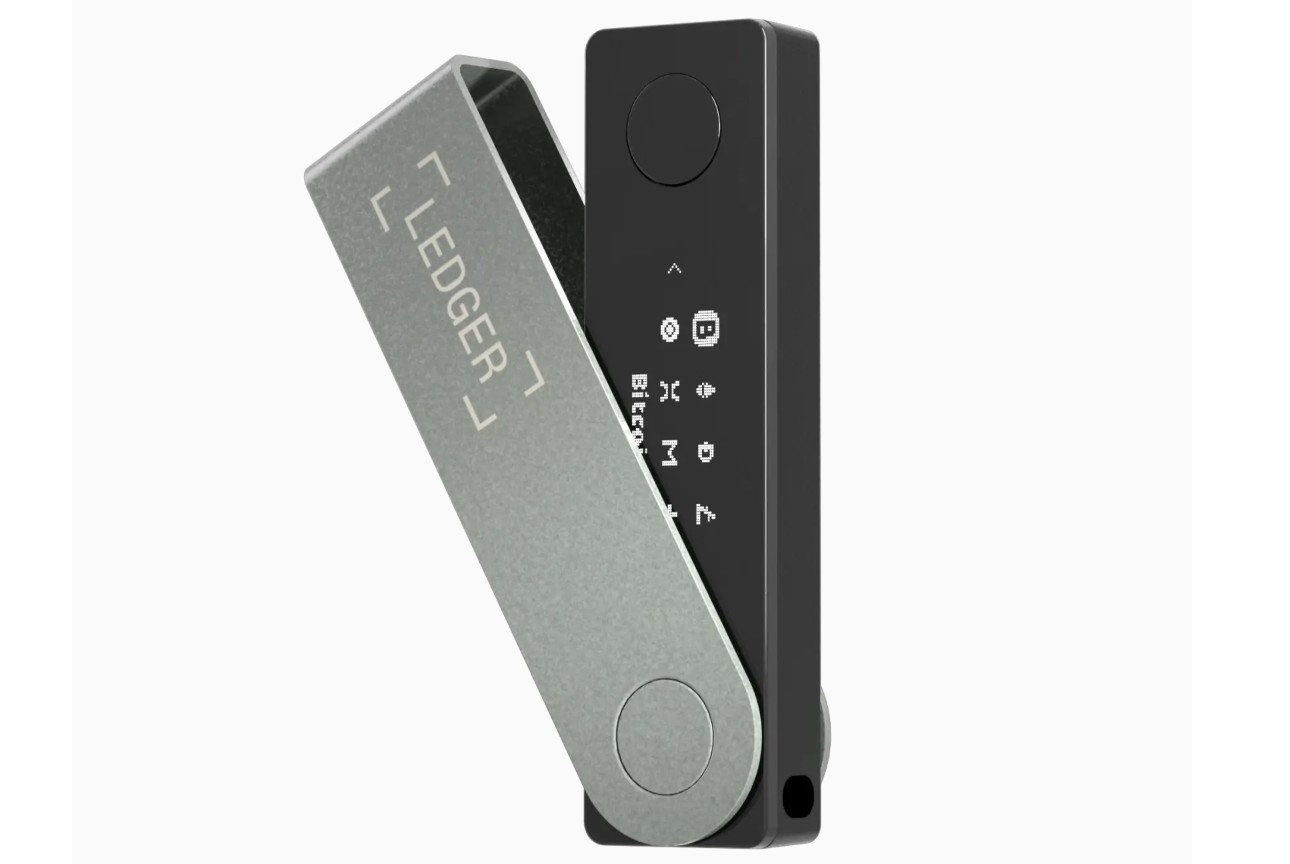
One company is particularly well known for offering solutions for the safe storage of private keys: Ledger. With its protected hardware wallets, users can securely manage their crypto assets and digital keys.
The name was not chosen at random: “ledger” means a device, application or online service with which financial or accounting transactions can be reported and recorded. And that is precisely why the European Union Intellectual Property Office (EUIPO) refused Ledger’s application of LEDGER WALLET: the name LEDGER WALLET indicates exactly what the mark is intended for. According to the EUIPO, adding “wallet” does not create a surprising or distinctive combination, but merely a common indication for products and services with which transactions can be managed, secured, stored or executed. The sign is therefore, according to the Office, no more than the sum of two descriptive words.
Ledger appealed the decision and argued that the wordmark LEDGER had been accepted in the past and that LEDGER WALLET should therefore also be accepted. That argument failed. The Board of Appeal of the EUIPO held that the current case concerns a different mark, namely LEDGER WALLET. Moreover, the distinctive character of a mark is not fixed: it may increase, but it may also decrease.
Moreover, Ledger argued that the element LEDGER is now known as a trademark and submitted evidence of that reputation in France, Germany, the Benelux, Spain and Italy. A descriptive mark can acquire distinctiveness through use: the relevant public will perceive the descriptive sign as a trademark, and therefore as an indication of origin for the products. However, as the EUIPO also states, the fact that a mark is known does not yet prove that the relevant English-speaking public has come to perceive it as a trademark. And precisely that English-speaking public is crucial here, given the English word “ledger”.
An unpleasant decision for Ledger. Not only has its LEDGER WALLET mark been refused, but this decision also puts its existing trademark registration LEDGER at a risk: is that mark, on closer inspection, also too descriptive and vulnerable to an invalidity action?
Author: Arnaud Bos
Bio: Arnaud is trademark attorney and within Knijff responsible for the marketing & communication. Arnaud is specialist in the metaverse and music sectors and his client portfolio includes many upcoming and renowned bands. He keeps a close eye on the latest case law in the EU and will let you know when he sees remarkable applications.