
Protect your design properly: what the Volvo case reveals about light signatures

Volvo has been known for its recognisable light signature for years.
The “Thor’s Hammer” headlights are a core part of the brand identity and clearly enhance brand recognition. But how robust is that recognition from a legal standpoint?
A Romanian designer believed that Volvo’s EU registered design came too close to his earlier headlight design and applied for its invalidation. According to the Romanian party the design lacked novelty. He also argued that his earlier design which also concerned vehicle headlights had already been made public before the filing date of Volvo’s design.
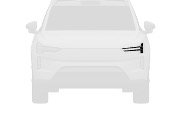
Volvo’s registration
The crux of the argument lay in the so called dynamic effect, a lighting element that moves across or within the headlight. That concept he claimed had been adopted by Volvo albeit with a different visual execution. In addition he relied on copyright law and on the rules governing parts of a complex product.
The Invalidity Division however swiftly dismissed this line of reasoning. It focused exclusively on what had actually been registered and put it succinctly:
“In the present assessment the Invalidity Division takes into consideration the designs as represented in the registration namely the lighting elements incorporated in the front headlight of a vehicle and not the effect they create.” In other words: it is not the idea of moving light or the intended visual effect that is decisive but the concrete design as recorded in the images of the registered design.
When you compare those images clear differences in shape and structure become apparent. The earlier design consisted of a single horizontal element with variations in thickness whereas the Volvo design shows a T shaped composition made up of multiple blocks. These are not minor details. There was therefore no identity or overall similarity between the designs and the copyright argument also failed due to a lack of substantiation.
Design law does not protect a concept idea or technical effect but only the outward appearance as registered. Anyone seeking to protect a light signature or another distinctive design feature must carefully consider their protection strategy. In particular which images are needed to maximise protection of the design.
Author: Arnaud Bos
Bio: Arnaud is trademark attorney and within Knijff responsible for the marketing & communication. Arnaud is specialist in the metaverse and music sectors and his client portfolio includes many upcoming and renowned bands. He keeps a close eye on the latest case law in the EU and will let you know when he sees remarkable applications.