
SAGRADA FAMILIA shows where trademark protection ends
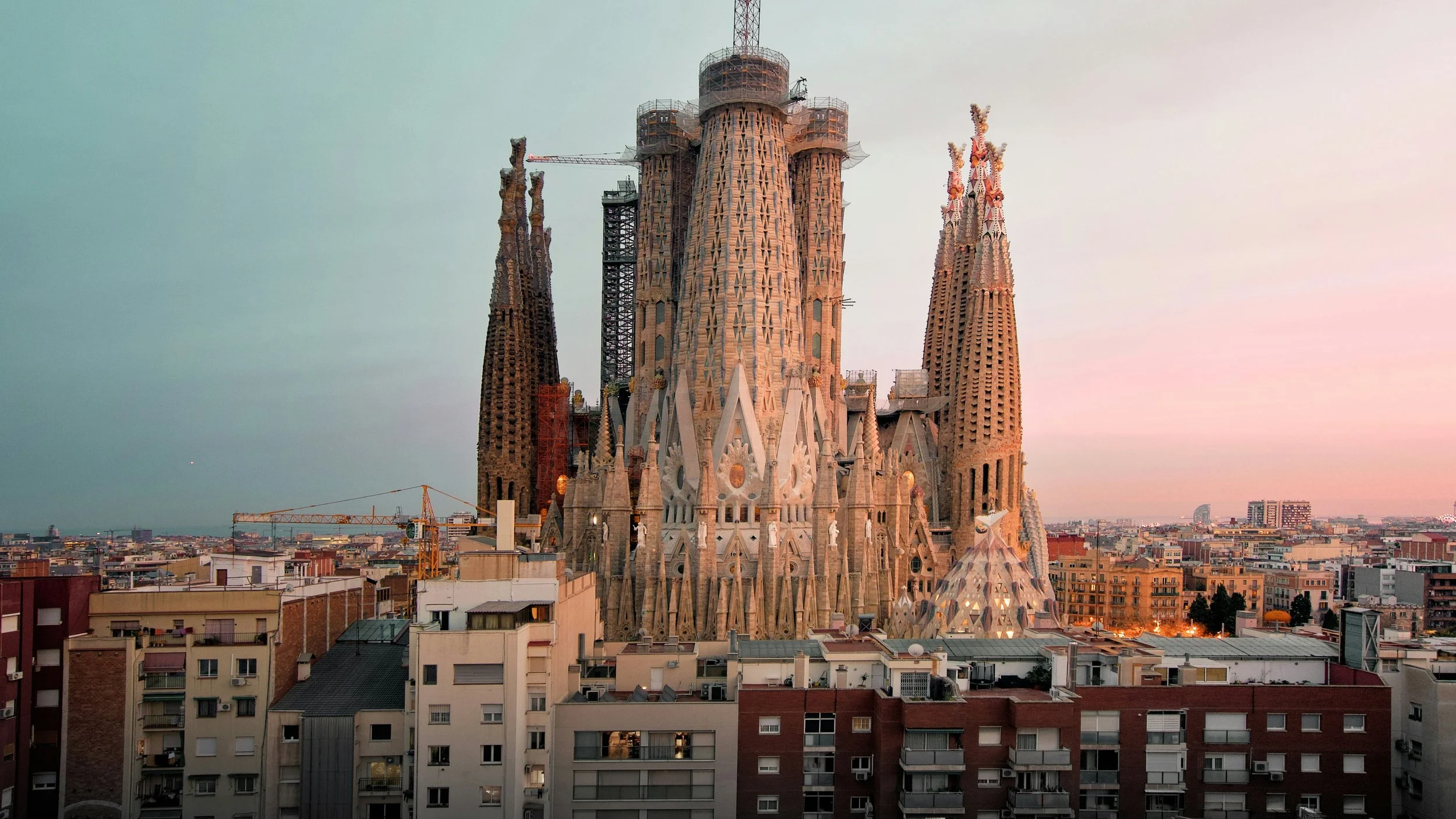
Some names are world-famous.
But a world-famous name does not necessarily make for a world-famous trademark. In fact, that very fame can stand in the way of trademark registration. That proved decisive in the application for SAGRADA FAMILIA filed by the foundation behind the construction and management of the Sagrada Familia.
There is no doubt that Sagrada Familia is a well-known name. The question, however, is whether the public sees that name as a trademark, and therefore as an indication of origin for goods or services from a single undertaking, or instead as a reference to the famous monument in Barcelona and to the religious meaning of the Holy Family.
The European Union Intellectual Property Office (EUIPO) took the latter view. The application for the word mark SAGRADA FAMILIA was refused for a broad range of goods and services, from souvenirs and publications to guided tours, architectural services and religious activities. According to the EUIPO, for the relevant public the name directly describes the subject matter, content, intended purpose or place to which those goods and services relate. The sign therefore lacked the distinctive character required for trademark registration.
From a legal perspective, this is a classic issue. A trademark must make clear from which undertaking a product or service originates. If a name primarily says something about a monument, a religious concept or the theme of the goods and services offered, it will not readily function as an indication of origin. The fact that the applicant referred to earlier registrations and comparable examples did not help. The EUIPO again emphasised that each application must be assessed on its own merits.
This tension is seen more often with names that have become part of the cultural heritage. A European application for La Tour Eiffel, for example, was also refused because the public would perceive that sign as a reference to the Eiffel Tower itself, rather than as a trademark. The same issue can arise with famous individuals such as Rembrandt and Caravaggio. As long as a name is not yet too well known, it may still function as a trademark. But once it becomes highly familiar to the relevant public, it loses its ability to distinguish goods and services, because people will immediately think of, for example, the Eiffel Tower, Rembrandt or Caravaggio.
Author: Erwin Haüer
Bio: Erwin is a trademark attorney and, as the managing partner, in charge of IT and Information Management. He works extensively with startups and scale-ups, while his clientele also includes numerous multinational corporations. Erwin possesses a sharp wit and a keen eye for remarkable trademark news and curious brand infringements.