
Tesla fails to register ROBOTAXI as an EU trademark
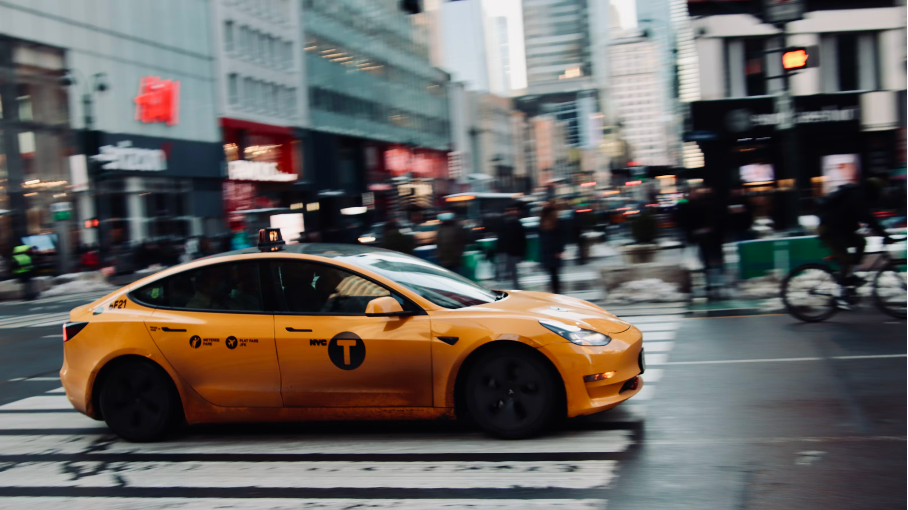
Tesla is one of the best-known brands in the electric vehicle sector. Today, however, Tesla is much more than a car manufacturer.
The company is also developing clean energy solutions, robots and self-driving taxis. For the latter, Tesla sought to register the word ROBOTAXI as an EU trademark for vehicles, rental services, transport and shared mobility.
The European Union Intellectual Property Office (EUIPO), however, considered the name too descriptive. Tesla appealed but, unfortunately for Musk, did not get its way. The refusal was upheld.
In its initial refusal, the EUIPO found that consumers would immediately understand ROBOTAXI as referring to an autonomous or self-driving taxi. On appeal, Tesla argued that the term was new, futuristic and suggestive. It also pointed out that there would be no humanoid robot sitting behind the wheel. The Board of Appeal was not persuaded. The public may also understand “robot” as referring to an automated or computer-controlled system that operates without human intervention.
Nor did the way in which the word was constructed help Tesla. ROBOTAXI combines ROBOT and TAXI, with the two words sharing a single letter. According to the Board, this combination does not make the term unusual or linguistically surprising. The public can readily identify the meaning “robot taxi”. A newly coined word may still be descriptive for trademark purposes where its meaning is immediately apparent.
For vehicles, ROBOTAXI describes their type or function. For vehicle parts, it indicates their intended purpose. In relation to transport, rental, leasing, shared mobility and coordination services, the word refers to the means of transport or the field in which the services operate.
Tesla also relied on previously accepted marks such as CYBERTRUCK, CYBERBUS and CYBERTAXI. According to the Board, however, those marks were not sufficiently comparable. “Cyber” primarily evokes a general association with technology or futurism, whereas ROBOTAXI conveys a specific message: an autonomous taxi. Moreover, an earlier registration does not create an automatic right to obtain another. Each application must be assessed on its own merits.
Tesla’s argument that it may have introduced or popularised the term was equally unsuccessful. What matters is not who first used a word, but how the public understands it.
An innovative product, perhaps, but not an innovative name. Indeed, from a trademark perspective, it is a rather weak name that cannot be protected.
Anyone seeking to build a strong trademark position would therefore be well advised to choose a distinctive and imaginative name alongside any descriptive product designation.
Author: Arnaud Bos
Bio: Arnaud is trademark attorney and within Knijff responsible for the marketing & communication. Arnaud is specialist in the metaverse and music sectors and his client portfolio includes many upcoming and renowned bands. He keeps a close eye on the latest case law in the EU and will let you know when he sees remarkable applications.