
Why Annaïs Paris came too close to Anais Anais
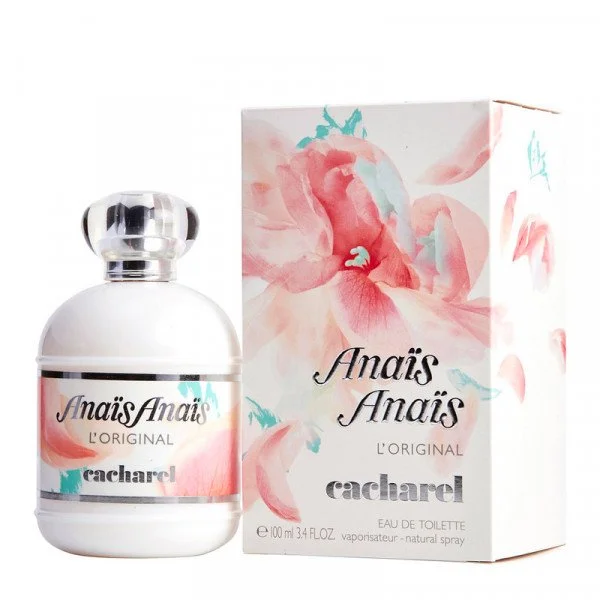
© Photo Cacharel
Some marks are so firmly embedded in the public’s mind that just a small variation does certainly not create sufficient distance.
That was the issue in L’Oréal’s opposition against a European application for Annaïs Paris. L’Oréal relied on its earlier ANAIS ANAIS mark, well known in the world of perfumes and cosmetics, and was largely successful before the European Union Intellectual Property Office (EUIPO).
The figurative mark Annaïs Paris was applied for in Class 3 for a long list of cosmetics, perfumes, oils, skincare products, make-up and related goods. The EUIPO found that a large part of those goods were identical, or at least similar, to the goods for which ANAIS ANAIS is registered, such as perfumes, eau de toilette and cosmetics. Only a number of clearly different products, such as certain abrasives, paint removers and shoe polish, escaped refusal.
When comparing the signs, the EUIPO focused in particular on the element Annaïs. For the Spanish- and French-speaking public, this is simply a variation of the same female first name as Anais. The additional word PARIS did not assist the applicant, as the EUIPO considered that it would primarily be understood as a geographical indication and therefore had little distinctive character. Nor did the stylisation of the applied-for sign make much difference. Overall, the EUIPO found the signs visually similar, and phonetically and conceptually even highly similar.
Consumers usually do not see marks side by side and retain only a general impression of them. As a result, minor spelling differences, such as an extra “n” or a diaresis, often carry less weight than trademark owners might hope. The EUIPO considered it entirely plausible that the public would view Annaïs Paris as a variant or sub-line of Anais Anais and would therefore assume that the products came from the same undertaking or from economically linked undertakings.
A logical outcome, and one that could have been avoided through prior trademark watching. Sometimes names are simply not available. That is certainly the case where a new desired trademark shows shows a high degree of similarity to an older, established mark
Author: Arnaud Bos
Bio: Arnaud is trademark attorney and within Knijff responsible for the marketing & communication. Arnaud is specialist in the metaverse and music sectors and his client portfolio includes many upcoming and renowned bands. He keeps a close eye on the latest case law in the EU and will let you know when he sees remarkable applications.