Beatles sunglasses, Rolling Stones refrigerators or Queen tyres… when can you use the name of a famous band as a trademark for your products?
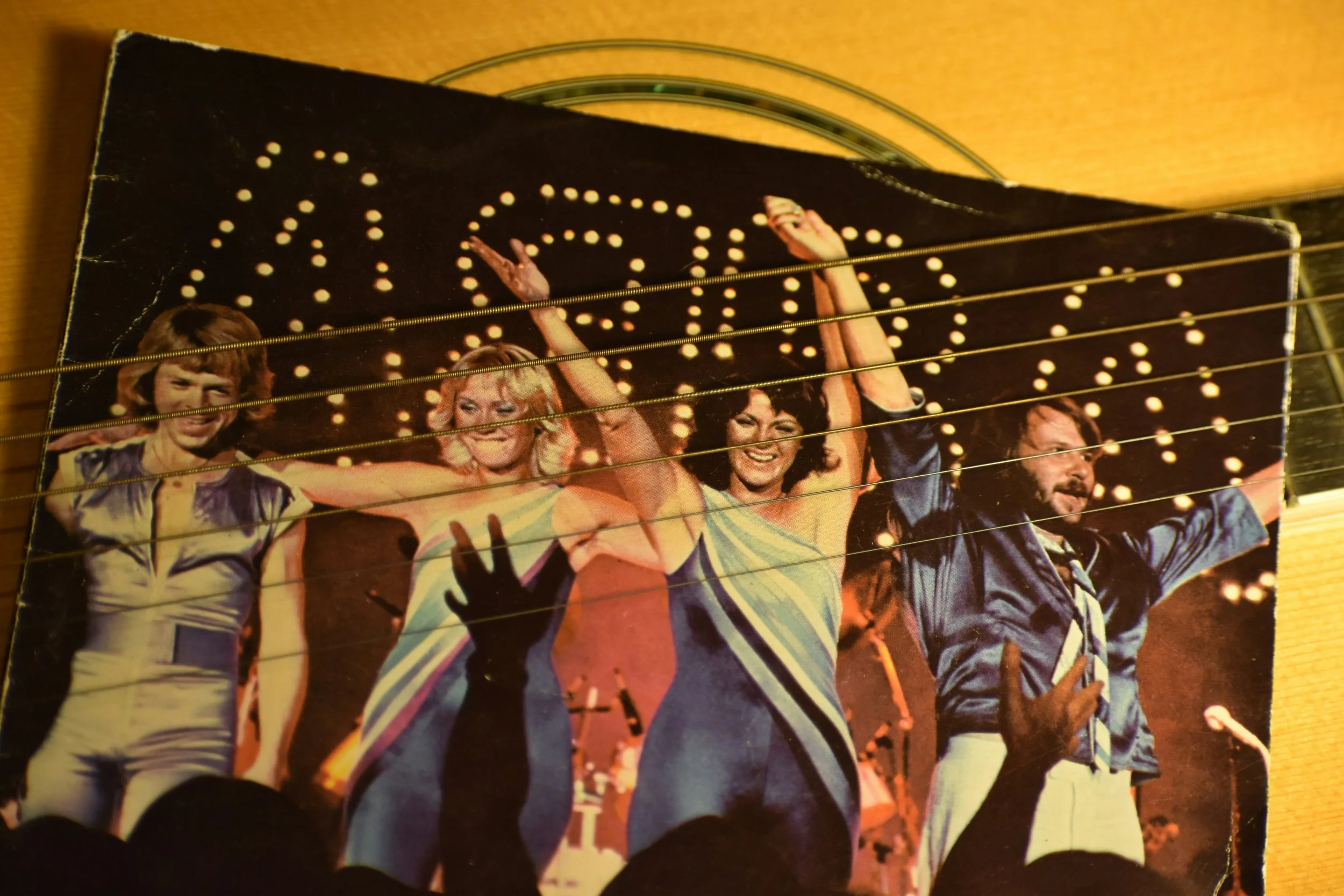
Last year we highlighted a case involving the registration of “Metallica” as a trademark for roses, which the eponymous band successfully opposed. More recently, the European trademark authority has issued a decision concerning the name ABBA.
The English company ABBA Nutrition sought trademark protection for the name ABBA for, amongst other things, nutritional supplements, medical equipment, drinks, distribution of supplements, restaurant and hotel services, and medical services.

The famous Swedish band objected on the basis of its well-known ABBA trademark for music.
Normally trademark protection is limited to goods and services for which the mark is registered, as well as similar goods and services, where a risk of confusion among consumers is key. For well-known trademarks this is different. They can take action against any marks that harm or take unfair advantage of their reputation. The crucial factor here, is whether or not the younger mark causes consumers to make the mental link with the famous older mark.
There can be various reasons why this mental link would or would not arise, with the type of products and services playing an important role. With similar goods and services, the association is obviously more likely. Products can be highly similar, such as CDs and vinyl records, similar to a lesser degree, like CDs and musical instruments, or totally dissimilar like CDs and windscreen wipers to name an example.
A very unique mark, like Pink Floyd, will nearly always make one think of the rock band, regardless of the products or services, whilst a name like Queen is commonly used in different contexts. Despite the undeniable fame of bands like Queen or The Beatles, in the context of monarchy, playing cards or insects, people will not as easily make the connection with the famous band. In a recent case, the fame of ABBA in relation to music was not disputed, but the core question was if people would think of the band in a sector totally different from music.
In the recent decision it says that that is the case for many of the goods and services from ABBA Nutrition’s trademark application, but not all. The band’s objection was rejected for, amongst other things, medical equipment, distribution of nutritional supplements and hotel services. These are “so different” from music that consumers would not likely make the connection to music, according to the European trademark office.
This reasoning is somewhat odd, since some of the goods and services (for example, dietary supplements and smoothies) for which the objection was accepted were also not at all similar to music. There was no reason given for this distinction other than the very different type of products and services. According to this decision, the public will make the mental connection with the famous trademark with certain products or services despite their dissimilarity to music, but not with others.
This distinction seems arbitrary. We would advocate for clear guidelines. That would benefit both parties.
Author: Dennis Bruikman
Bio: After studying intellectual property law, Dennis joined Knijff and he is currently pursuing the BBMM qualification to become a certified trademark attorney. He works in the team of Erik Stegeman and he has a keen interest in tech, sports and (board)games.