Emoji is a trademark but Kikkoman gets away with it
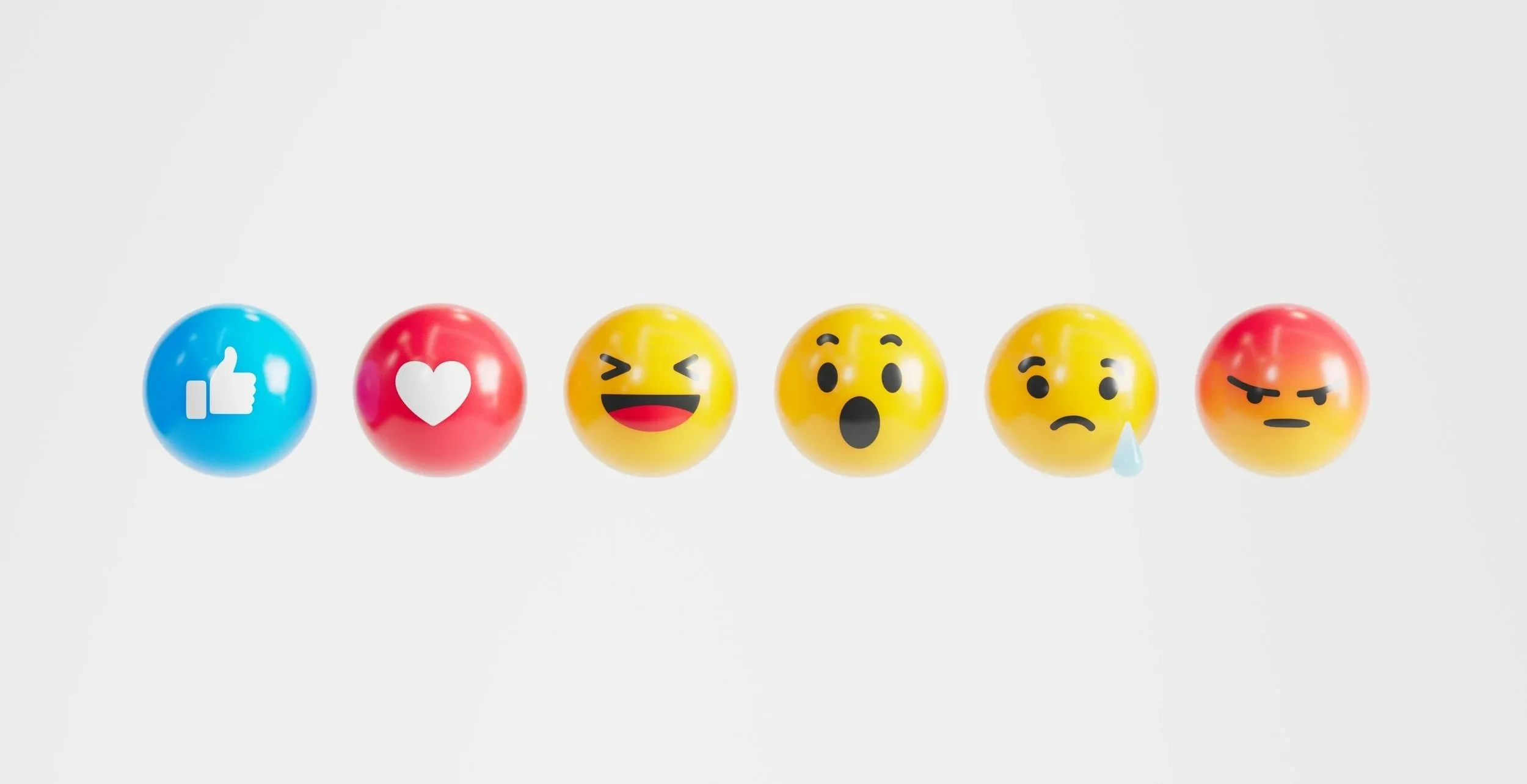
We all know emoji as digital pictograms that add expression or emotion to our messages.
What is less well known is that “emoji” is also registered as a trademark by the German company Emoji Company. In a recent opposition case, that mark clashed with KIKKOMAN EMOJIGRID, applied for by the Japanese company Kikkoman, best known for its soy sauces. According to Emoji Company, the use of the word “emoji” in this mark came too close to its own trademark rights.
The opposition against the European trademark application covered all the products and services applied for, ranging from software and digital content to marketing and research services. For the assessment, the Opposition Division found the products and services to be identical and accepted that the EMOJI mark even enjoyed enhanced distinctiveness due to intensive use. As a result, the focus shifted entirely to the question of whether the signs themselves were too similar.
In comparing the signs, Emoji Company put forward a striking argument. It claimed that the word element KIKKOMAN was “highly descriptive,” as it merely referred to the name of the applicant, Kikkoman Corporation. The EUIPO’s Opposition Division dismissed this argument outright. A sign is only descriptive if the relevant public will immediately perceive it as information about the products or services concerned and if there is a direct and specific link. That was not the case for KIKKOMAN in relation to electronics, software or technological services. The element was therefore considered to have normal distinctiveness.
Substantively, the comparison of the signs also turned out unfavorably for the opponent. In KIKKOMAN EMOJIGRID, the element EMOJI is embedded in a much longer mark, with KIKKOMAN as a clear and distinctive opening element and GRID as an additional term. Visually and phonetically, only a low degree of similarity was found, and in terms of overall impression the Opposition Division considered the distance between the marks sufficient to rule out a likelihood of confusion. It was also relevant that the EUIPO acknowledged that the word “emoji” has a descriptive meaning for certain products.
The lesson from this case is clear. Anyone building a trademark around a well-known or widely used word cannot automatically rely on a broad scope of protection. In such cases, the other elements of the mark become decisive. Moreover, the contested mark must still be sufficiently similar. Where a mark is significantly longer and consists of several other (distinctive) elements, it quickly becomes questionable whether any relevant similarity remains at all.
Author: Erwin Haüer
Bio: Erwin is a trademark attorney and, as the managing partner, in charge of IT and Information Management. He works extensively with startups and scale-ups, while his clientele also includes numerous multinational corporations. Erwin possesses a sharp wit and a keen eye for remarkable trademark news and curious brand infringements.