MICKEY IS (NOT) FREE!
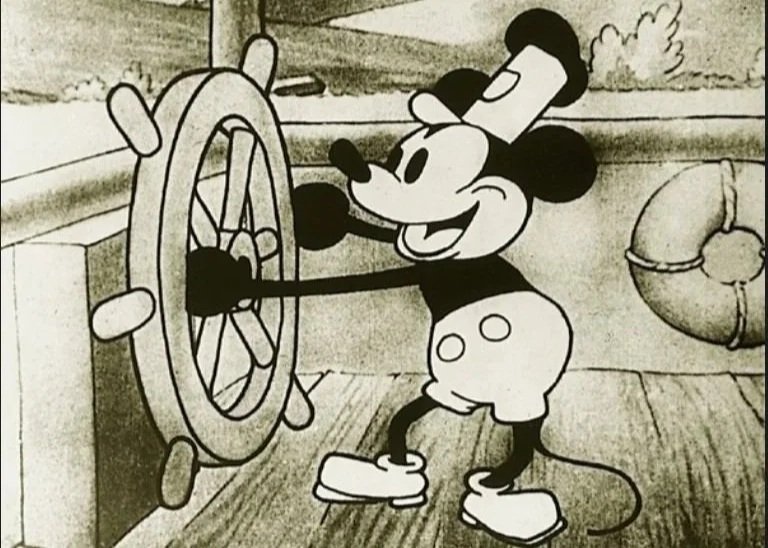
Mickey Mouse is one of the most famous cartoon characters in the world and is inseparably linked to Disney.
Any new brand name containing “Mickey” immediately evokes associations with the character. The same was true for a European trademark application for the word mark MICKEY IS FREE!, intended for streetwear such as T-shirts, hoodies and sweatshirts. With this mark, the applicant sought to suggest that the original Mickey Mouse has now entered the public domain. Disney disagreed and filed an opposition.
Before the European Union Intellectual Property Office (EUIPO), the case turned on the question of whether there was a likelihood of confusion. The goods concerned were identical. As regards the comparison of the signs, the EUIPO considered the element MICKEY to be dominant. The additional words “IS FREE!” were mainly seen as a slogan with a vague meaning, insufficient to prevent the public from primarily remembering “Mickey”. The signs were found to be similar visually and phonetically. Conceptually, there was also a degree of similarity, as Mickey is so famous that the relevant public would understand MICKEY IS FREE as referring to Mickey Mouse.
All in all, the EUIPO considered it entirely plausible that consumers would perceive the new mark as a variation or sub-label of Disney. This led to the conclusion that there was a likelihood of confusion and, consequently, to the refusal of the trademark application.
Of interest is the applicant’s argument that the products would carry a disclaimer stating: “DON’T BE CONFUSED! This item has nothing, nada, niente (…) to do with the entertainment company Disney Co.” Such circumstances are not relevant in opposition proceedings, which do not take actual market conditions into account.
The decision shows that iconic names should not be taken lightly, even where the underlying copyright has expired.
Author: Arnaud Bos
Bio: Arnaud is trademark attorney and within Knijff responsible for the marketing & communication. Arnaud is specialist in the metaverse and music sectors and his client portfolio includes many upcoming and renowned bands. He keeps a close eye on the latest case law in the EU and will let you know when he sees remarkable applications.