
NUTELLA vs MASTELLA: when a brand’s look speaks louder than its name
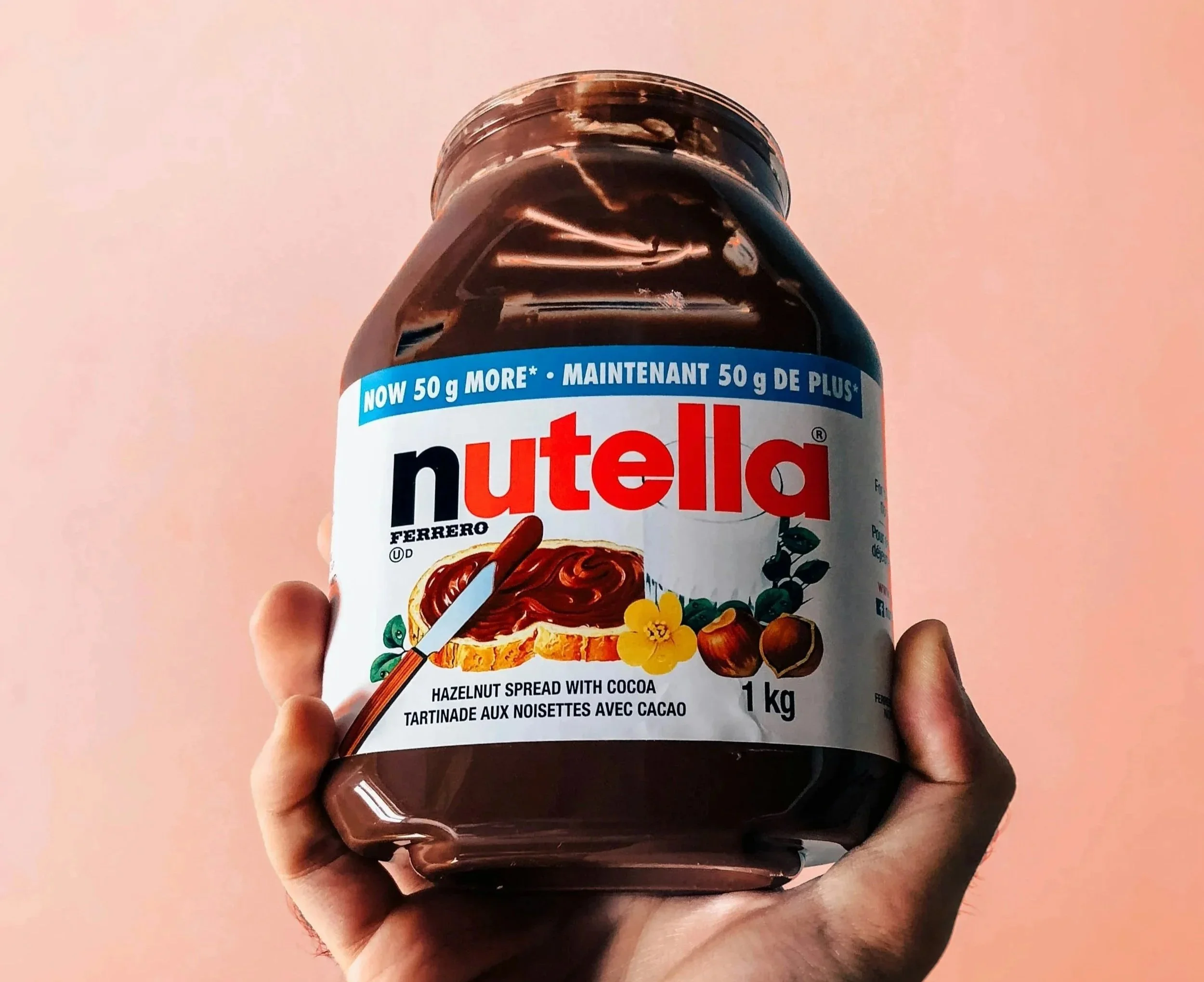
Not only the trademark NUTELLA of the Italian group Ferrero is world-famous; its jar, colour scheme and distinctive overall presentation are also instantly recognisable to many consumers.
This visual identity was at the heart of a recent opposition before the European Union Intellectual Property Office (EUIPO), in which Ferrero objected to an application for the MASTELLA label.
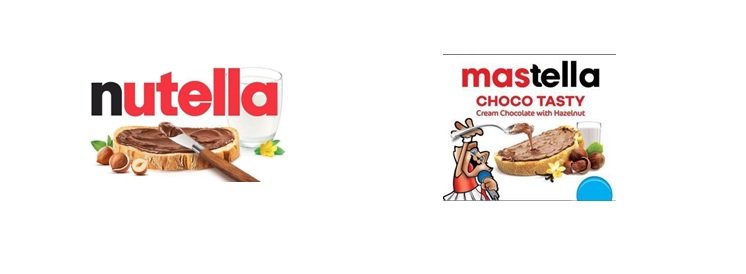
What is striking in this case is that the word elements Nutella and Mastella show little visual or phonetic similarity. The real point of contact lies elsewhere. Both signs use a comparable two-colour typographic scheme in red and black, a similar typeface and almost identical illustrative elements, such as bread with chocolate spread, hazelnuts and a glass of milk. As a result, MASTELLA comes visually very close to NUTELLA, despite the different names.
Ferrero therefore acted wisely in relying not only on likelihood of confusion, but also on the reputation ground of Article 8(5) EUTMR. Under this provision, the threshold for similarity is lower: the issue is not confusion, but whether the public makes a mental link with the reputed mark. The Opposition Division found that Nutella enjoys an exceptionally strong reputation in Italy and that the visual similarities were sufficient to establish such a link, precisely because of those recognisable packaging elements.
From there, the step to unfair advantage was quickly made. By positioning itself so close to the Nutella look and feel, Mastella could ride on the coat-tails of the attraction and image of the well-known NUTELLA mark, gaining a marketing advantage for which it had not invested.
The practical lesson is clear. Those who, when developing a brand concept, draw heavily on the visual world of a famous brand are treading on thin ice, even if the name is different. Especially where marks with a strong reputation are concerned, graphic similarity alone may prove decisive.
Author: Arnaud Bos
Bio: Arnaud is trademark attorney and within Knijff responsible for the marketing & communication. Arnaud is specialist in the metaverse and music sectors and his client portfolio includes many upcoming and renowned bands. He keeps a close eye on the latest case law in the EU and will let you know when he sees remarkable applications.