
George Orwell: not a trademark, but an important decision
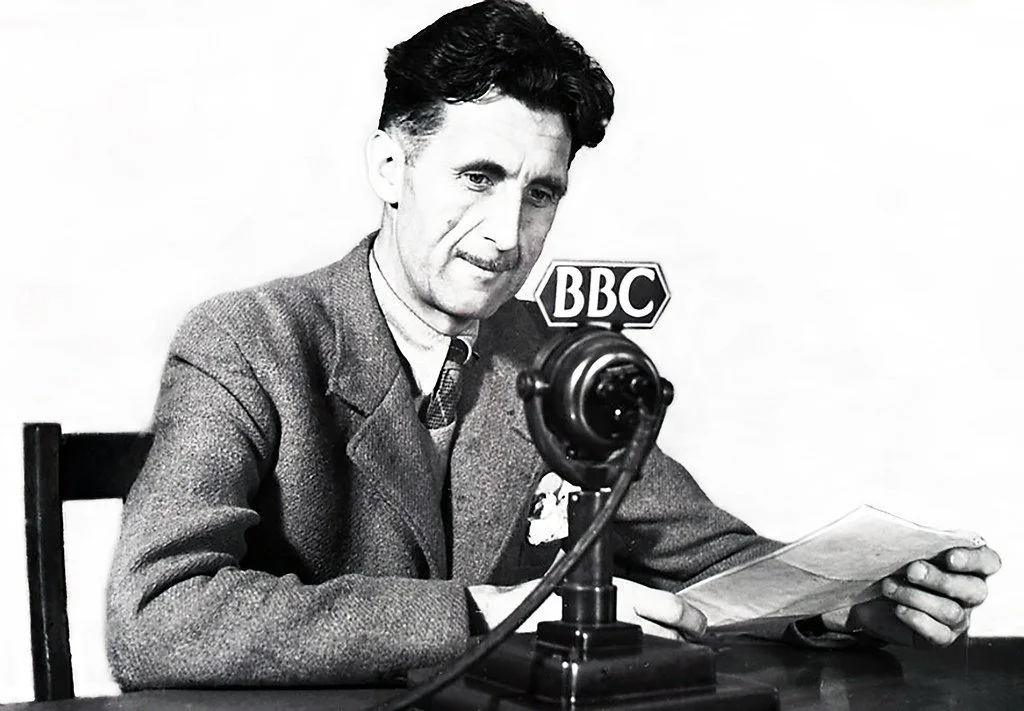
For many people, the name George Orwell immediately evokes images of 1984, Animal Farm and the concept of the “Orwellian”.
It is precisely this fame of George Orwell that played a key role in a recent decision of the Grand Board of Appeal of the European Union Intellectual Property Office (EUIPO).
The case concerning the mark GEORGE ORWELL did not revolve around the question whether famous names can in principle be registered as trademarks. The issue was more specific: under what circumstances is the name of a famous person so well known that it can no longer function as a trademark and therefore no longer serve as an indication of origin for goods and services containing content or cultural material, such as books, films, digital media and educational services?
The Grand Board — the appeal body responsible for the more significant decisions — held that GEORGE ORWELL cannot function as a trademark. For the English-speaking public in, among others, Ireland and Malta, GEORGE ORWELL immediately refers to the author and his works. As a result, when used for books, films, podcasts or educational services, the public will not perceive the name as a trademark, but rather as a description of what those goods or services are about.
Importantly, the Grand Board sets out in considerable detail which factors are relevant in this assessment. Not only the fame of the author plays a role, but also the cultural embedding of his work, the existence of derivative concepts such as “Orwellian”, literary awards, the enduring social relevance of the works and even the way libraries and bookshops organise works under author categories. In doing so, the Board effectively formulates a practical test for famous names in the cultural sector.
The fact that Orwell’s estate also manages, among other things, the copyright in his works does not automatically mean that the name is distinctive as a trademark. Moreover, when assessing absolute grounds for refusal, the EUIPO looks at the perception of the relevant public rather than the identity of the applicant. The fact that estates, foundations or rights holders wish to protect a famous name therefore carries little weight in the assessment of the sign itself.
In practice, this decision provides more guidance for trademark registrations involving famous authors, artists and other cultural icons. Outside media and content-related services, a well-known name may still function perfectly well as a distinctive trademark. However, once the goods or services themselves contain information, stories or cultural content, the EUIPO is likely to examine critically whether the public sees the name primarily as a subject matter reference rather than as a trademark. One question still remains open: whether the book titles 1984 and Animal Farm themselves can function as trademarks. To be continued.
Author: Arnaud Bos
Bio: Arnaud is trademark attorney and within Knijff responsible for the marketing & communication. Arnaud is specialist in the metaverse and music sectors and his client portfolio includes many upcoming and renowned bands. He keeps a close eye on the latest case law in the EU and will let you know when he sees remarkable applications.