New Renault typeface rejected
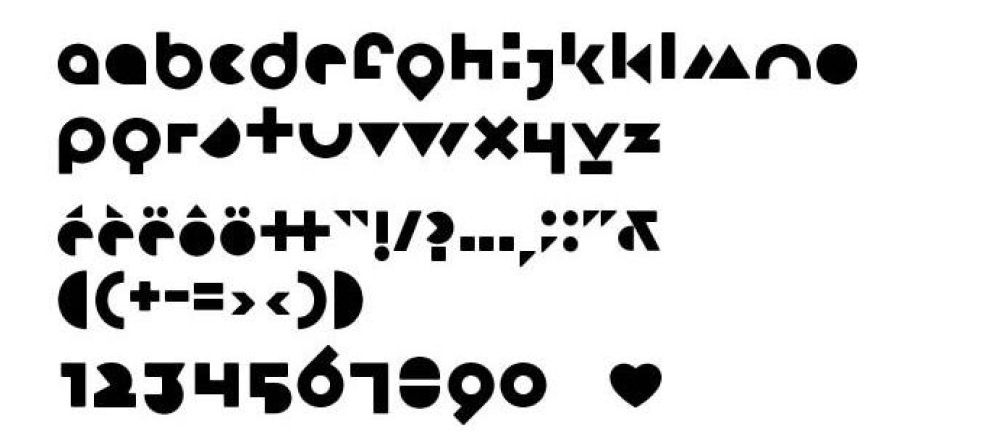
Renault developed a new, well-designed typeface for use within its digital environment.
For a major brand, a distinctive visual identity is essential and a custom typeface can play an important role in that. Renault attempted to register this design as a European trademark but the European Union Intellectual Property Office (EUIPO) refused the application. The reason? The sign lacks distinctiveness: the relevant public perceives it merely as a set of typographic symbols, not as an indication of commercial origin.
The distinctiveness requirement is a challenging hurdle for marks that are not a brand name or logo. In this case, the EUIPO held that consumers, when confronted with a full set of characters, numbers and symbols, would not regard it as a trademark at all. The Office found the design too general and too complex to function as a mark.
Does this mean a new typeface cannot be protected at all? Certainly not—but protection lies in design law. A design protects the appearance of a product, such as the specific shape of letters or symbols. It is an excellent alternative, and a fast and effective one as well. An additional advantage is that, unlike a trademark, a design does not require the owner to choose specific goods or services for registration—the design protects the visual form regardless of the underlying product.
Author: Arnaud Bos
Bio: Arnaud is trademark attorney and within Knijff responsible for the marketing & communication. Arnaud is specialist in the metaverse and music sectors and his client portfolio includes many upcoming and renowned bands. He keeps a close eye on the latest case law in the EU and will let you know when he sees remarkable applications.