Read and enjoy the latest about the fascinating world of trademarks here. The latest on developments in the field of trademark rights, including background information, relevant cases and videos about a range of trademark topics can be found in our Thinktank.
Blogs
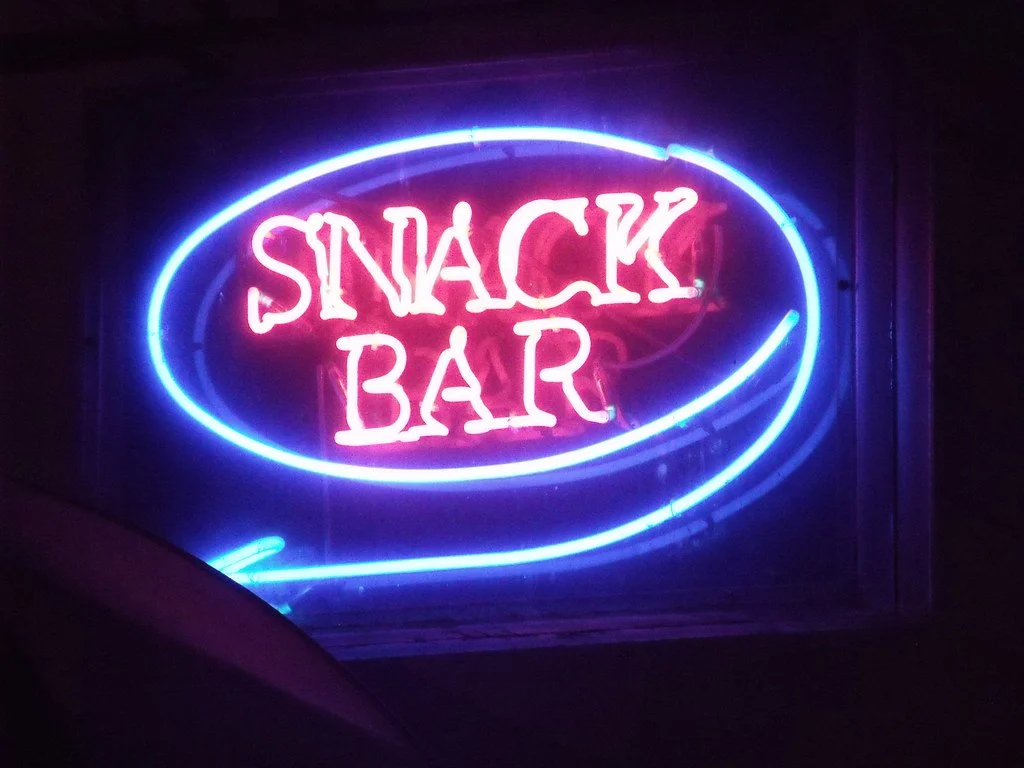
Opposition fails: English word SNACK too descriptive
Can you trademark the English word “SNACK”? And if not, where are the limits of trademark protection for English words?
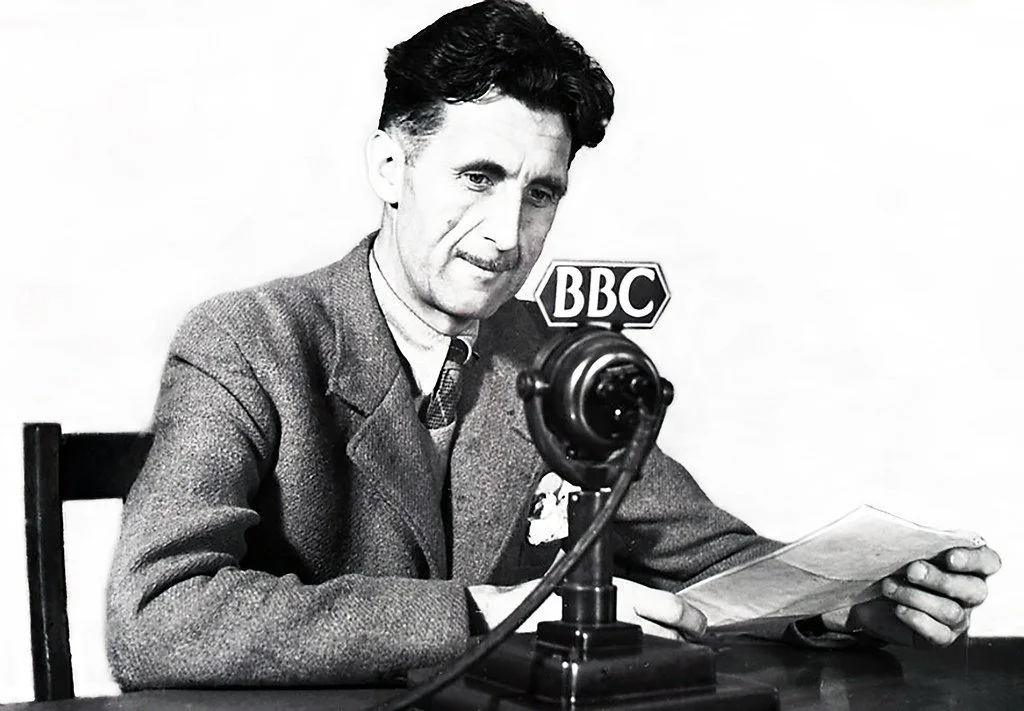
George Orwell: not a trademark, but an important decision
When is a famous name so deeply embedded in culture that the public no longer sees it as an indication of origin, but as a reference to the content itself? The case of GEORGE ORWELL illustrates the factors at play in this regard for books, films, podcasts, and educational services, though the boundaries for other sectors are not immediately clear.
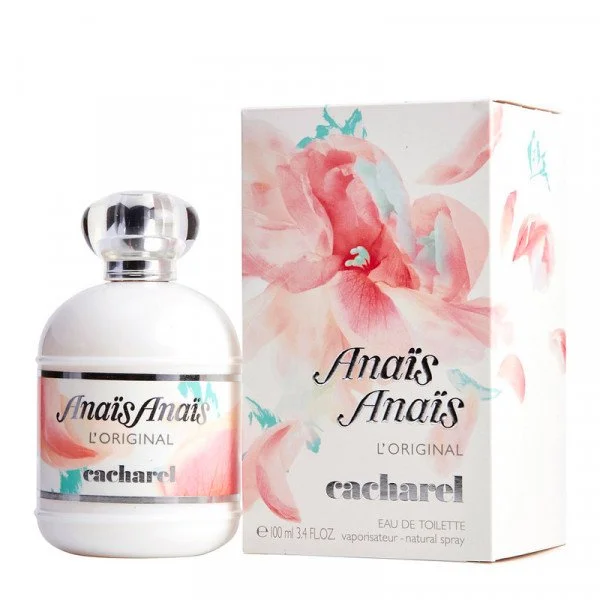
Why Annaïs Paris came too close to Anais Anais
Can Annaïs Paris stand on its own alongside the well-known cosmetics brand ANAIS ANAIS, or will consumers confuse the two brands?
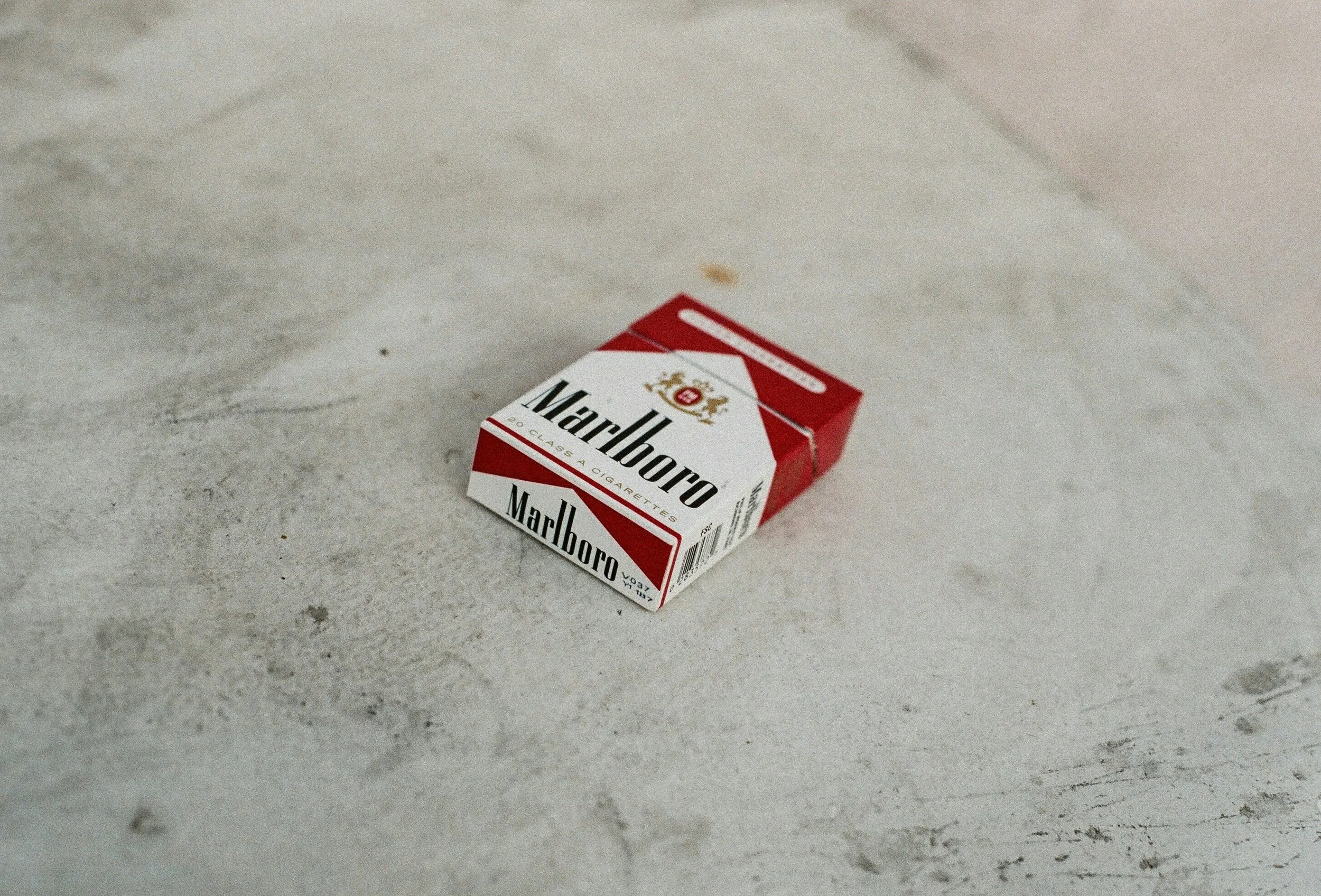
How close can you get to a famous trademark? MARLBORO versus MILLBORO provides the answer
MARLBORO faces MILLSBORO and exposes how close is too close to a reputed mark. Will the relevant public still make a link between the signs despite their differences?

SAGRADA FAMILIA shows where trademark protection ends
Fame can stand in the way of trademark registration. That proved decisive in the application for SAGRADA FAMILIA filed by the foundation behind the construction of the Sagrada Familia. Does the public see the name Sagrada Familia as a trademark, and therefore as an indication of origin for goods or services from a single undertaking, or instead as a reference to the famous monument?
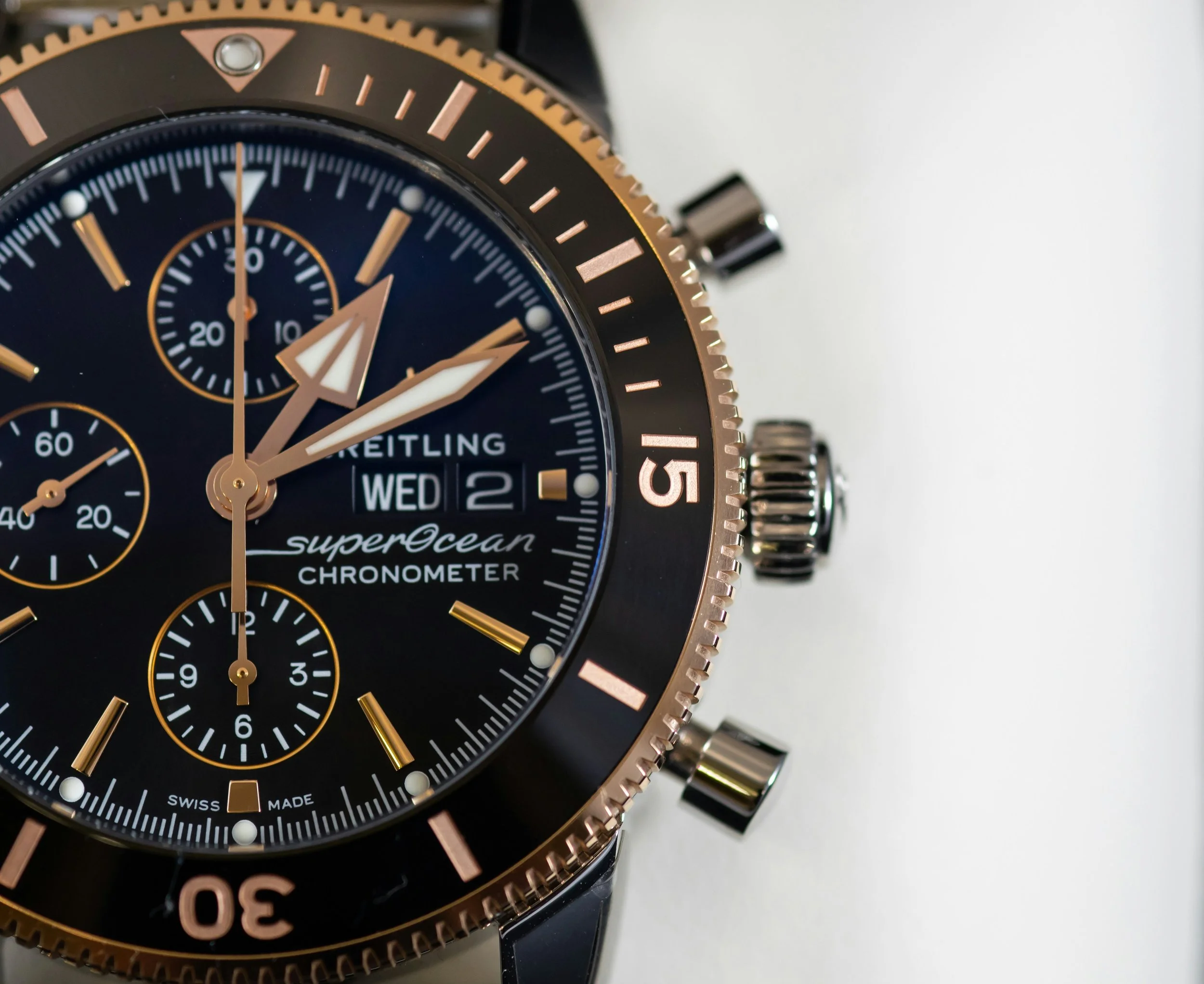
“Breitling for women”: Breitling takes action
A Hungarian company had registered the mark “Breitling for women” for cosmetics and perfumes. Breitling opposed this and filed a cancellation action against the mark. Not - contrary to what one might expect - on the basis of the broader protection of the BREITLING trademark, but on the ground that the application had been made in bad faith by the Hungarian party.

ROBLOX vs. pesticides: what the EU says about trademark protection beyond your own market
Roblox is hard to miss in digital gaming. So what happens when someone applies for the identical sign ROBLOX for pesticides and other pest control products? Roblox is well known, but is it well known enough to stop a trade mark so far removed from its own market? That question sits at the heart of a recent opposition before the EUIPO.
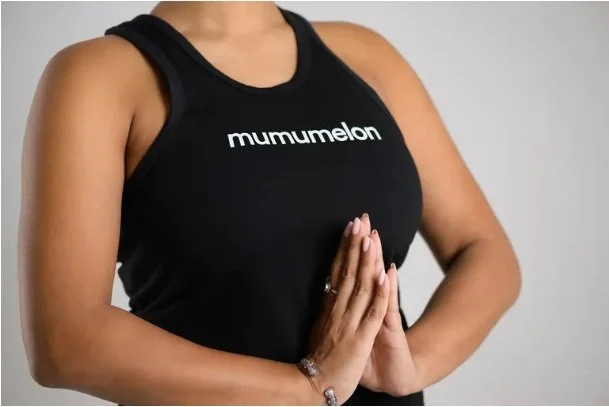
Lululemon parody: “will you choose a lulu or a mumu?”
Parody brand ‘mumumelon’ is crystal clear about its intentions: “mumumelon is a dupe activewear brand. A deliberate shameless copy of lululemon. We made it to make a point.” A parody brand with a sharp message. The criticism is aimed at the polluting production of clothing. In many cases, a parody falls within the scope of freedom of expression. But not always.
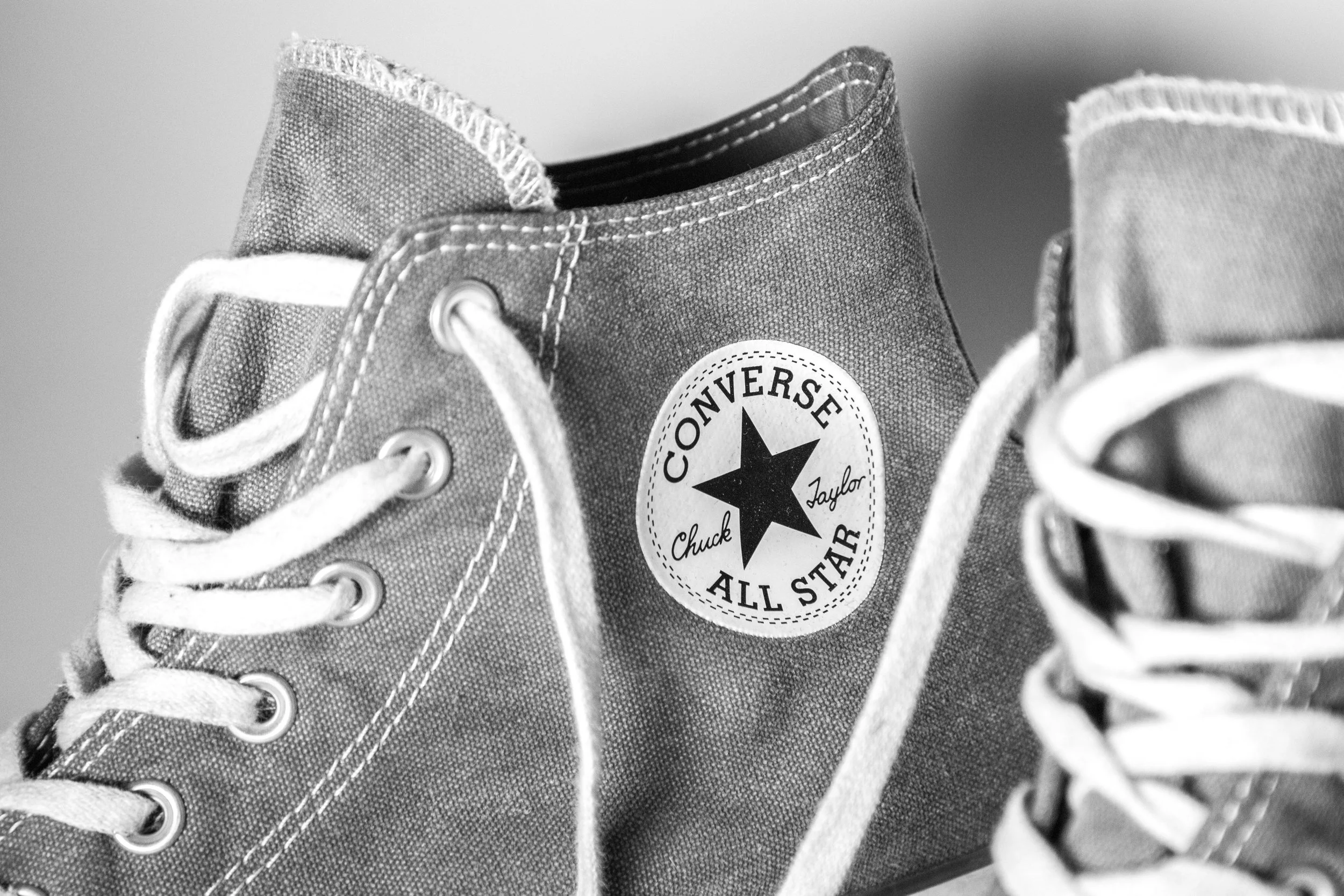
Sneaky Sneakers part 2: Converse strikes back… or not?
Do you remember our blog about Converse’s opposition to the trademark application for a circle on the ankle of a shoe featuring “CEBO”? The EUIPO gave the parties time to explore a possible settlement. As no agreement was reached, the Opposition Division has now issued its decision.
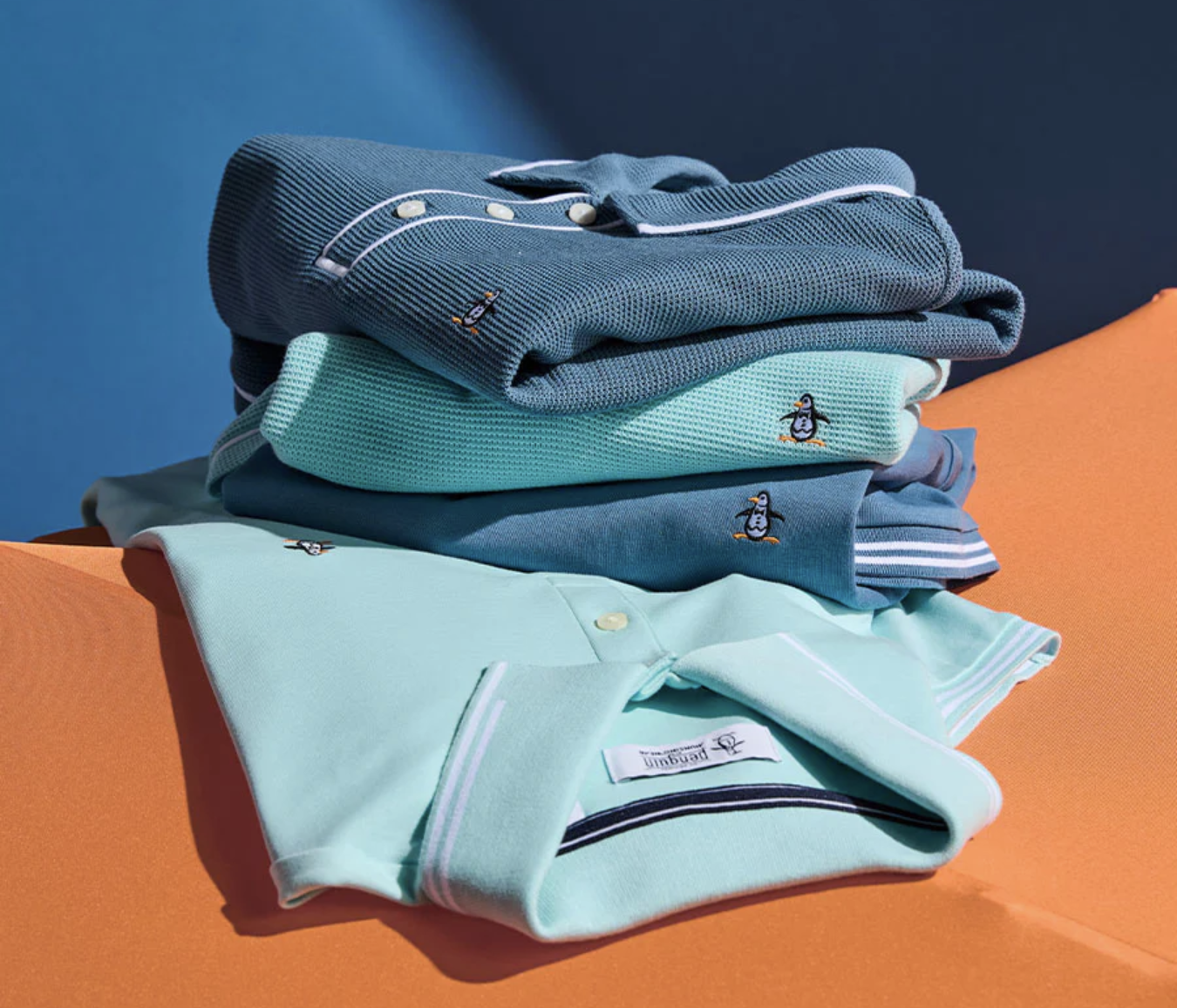
Are digital penguins a threat to a clothing brand?
Clothing brand Original Penguin has used a penguin as a distinctive element of its brand identity for decades. Now Pudgy Penguins uses penguin branding, a brand that first became known in the Web3 and NFT space. While one brand built its reputation in the traditional fashion industry, the other has increasingly moved into clothing and merchandise. That is precisely where the conflict arises.
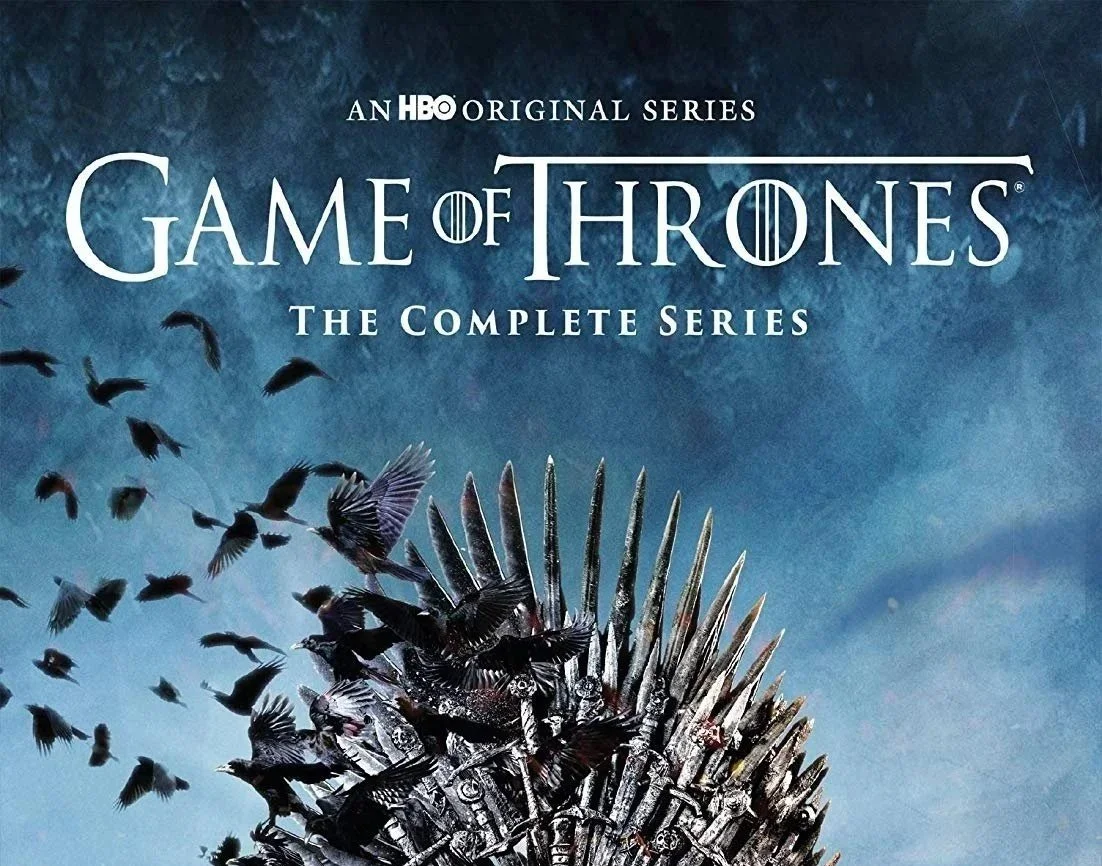
Game of Thrones vs. GAME OF DRONES
In a recent opposition, Home Box Office (HBO) objected to the European trademark application for a figurative mark containing the words GAME OF DRONES. The EUIPO rejected the mark. According to the Office, the relevant goods and services were identical: toy drones fall within the broader category of toys, and the requested entertainment, educational, and training services corresponded fully with the earlier registration for GAME OF THRONES.
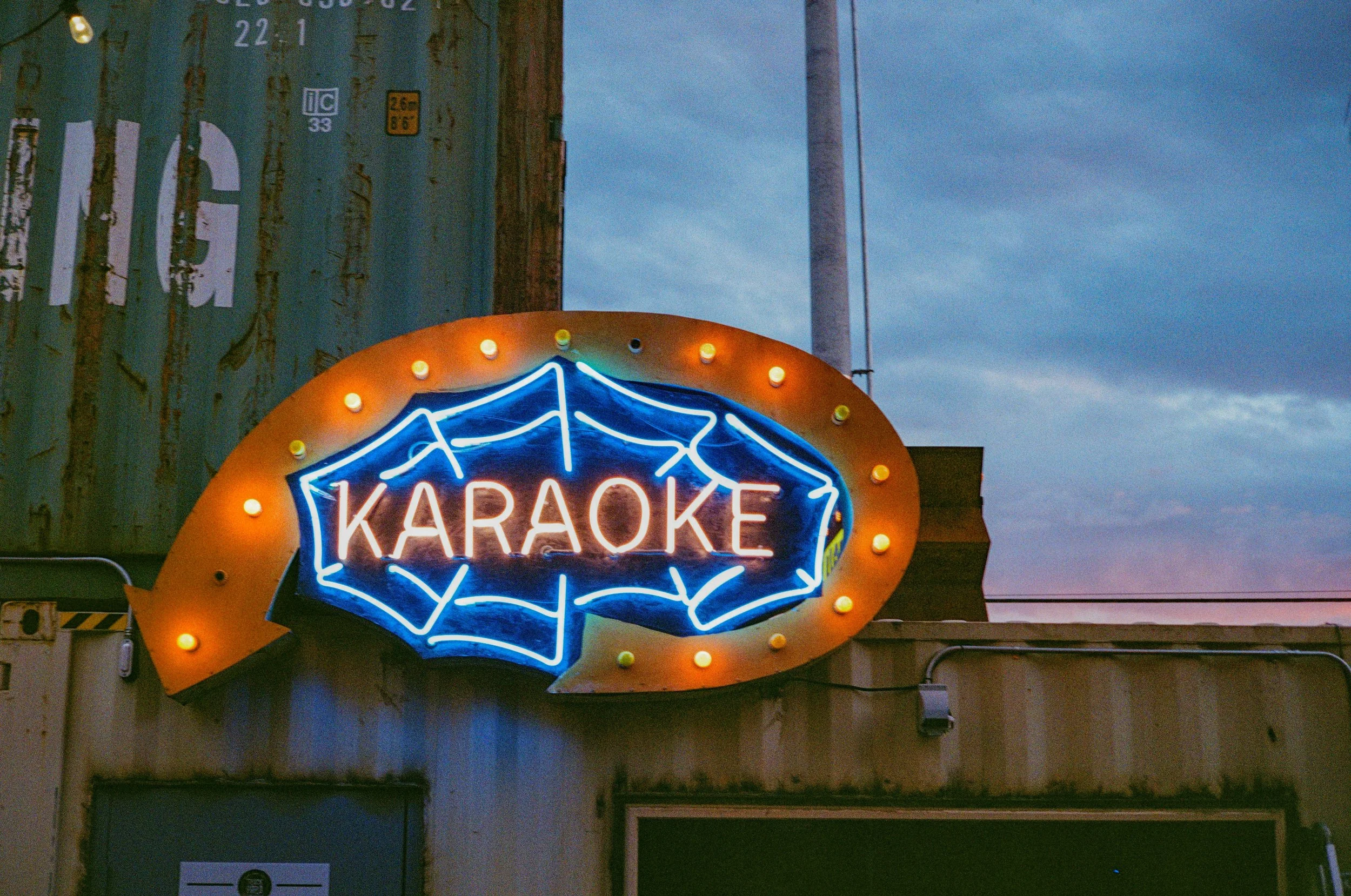
Unregistered mark EASJOY cannot block EU trademark registration
Sometimes a business has been using a brand name for years without formally registering it. That may work fine until someone else applies to register the same mark. That is exactly what happened in a recent case involving the mark EASJOY. In some situations it is possible to rely on such an unregistered right and even invoke it against an EU trademark application. However, clear conditions apply.
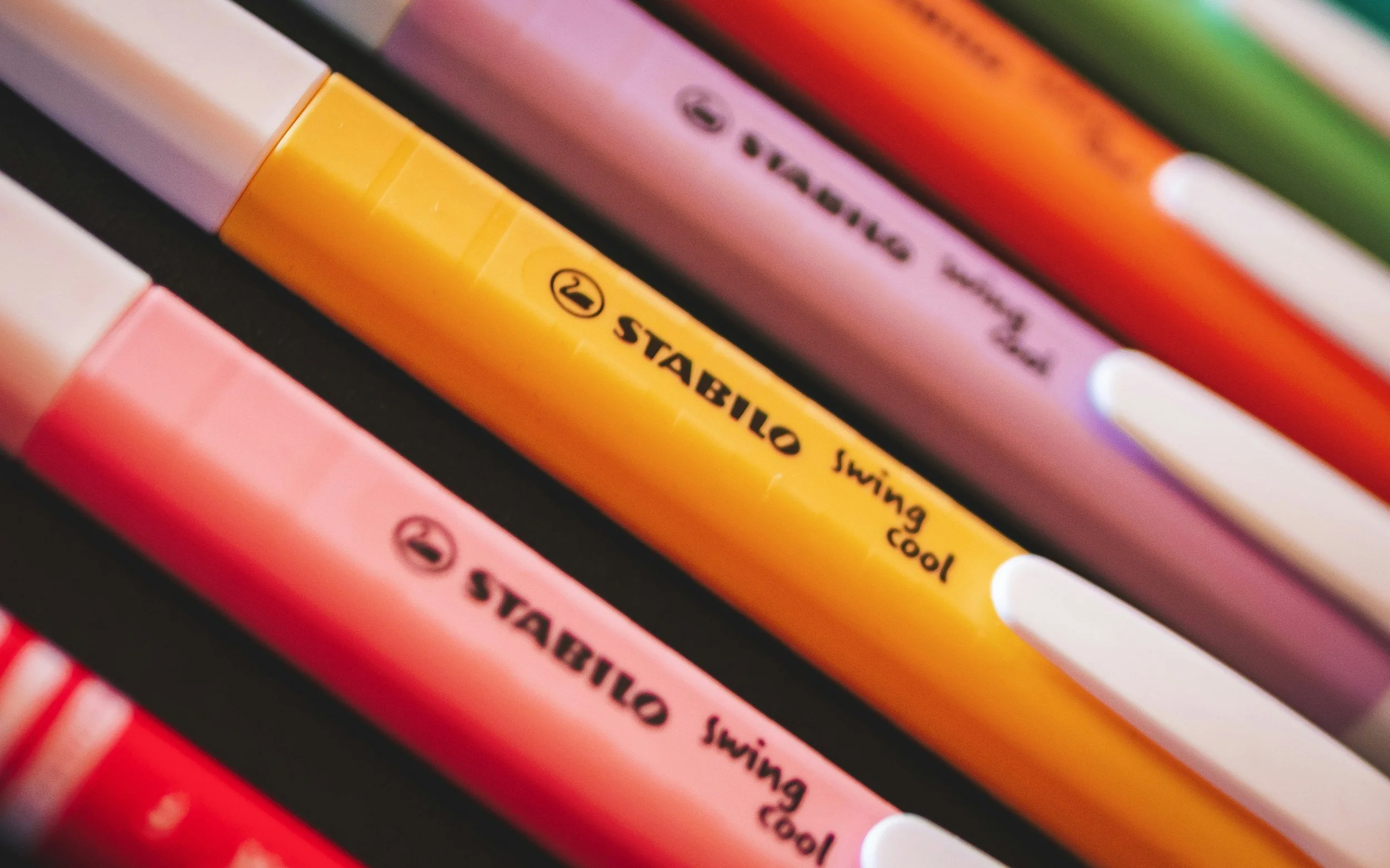
When does a swan look too much like a swan? Opposition concerning the STABILO figurative mark
Schwan-Stabilo has long been a well-established player in the world of writing instruments and office supplies and is known for its clear and recognizable figurative marks. In a recent opposition, the dispute was not about words but about an image that can immediately suggest a particular commercial origin: a black swan.

Protect your design properly: what the Volvo case reveals about light signatures
Volvo has been known for its recognisable light signature for years. The “Thor’s Hammer” headlights are a core part of the brand identity and clearly enhance brand recognition. But how robust is that recognition from a legal standpoint? A Romanian designer believed that Volvo’s EU registered design came too close to his earlier headlight design and applied for its invalidation.
Lamborghini family feud
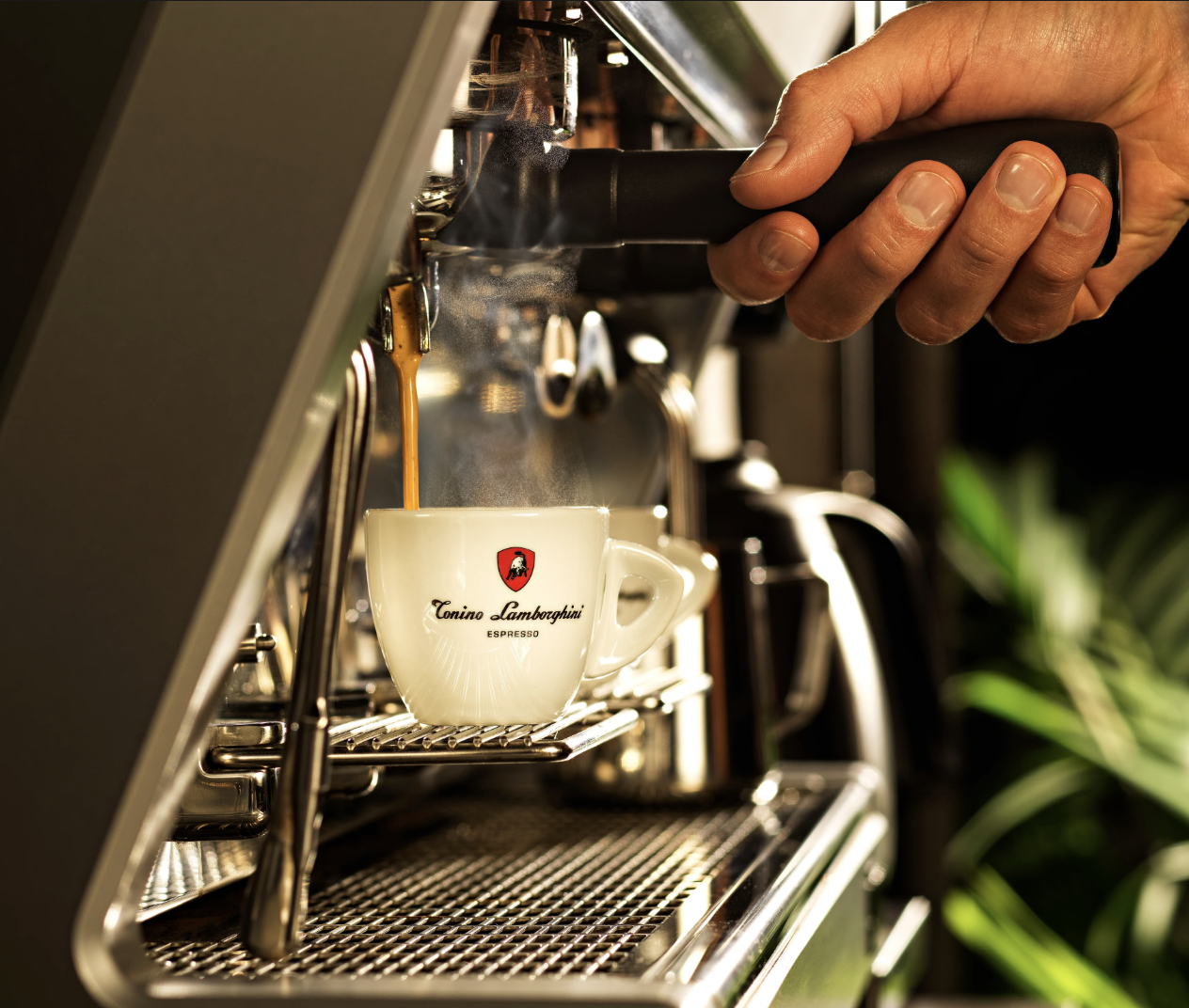
The Lamborghini name also appears on products such as coffee, energy drinks and alcoholic beverages. Lamborghini is not only an automotive brand, but a wide-ranging lifestyle brand with registrations across multiple classes. The recent dispute over the Lamborghini trademark between Tonino Lamborghini S.p.A. and Tenuta Lamborghini S.r.l. Società Agricola can hardly be described otherwise than as a conflict over control of the Lamborghini name and image.
The UBER lesson: broad registration alone isn’t enough
What started as an app to book a ride with a few taps has grown into a platform with multiple variations and subservices, from rides to delivery. That expansion often shows up in trademark portfolios as well. But that wide cover has a weak spot. If the mark is not actually used, someone can challenge it. And that is exactly what happened with UBER.
Is this kangaroo jumping too close to another brand?
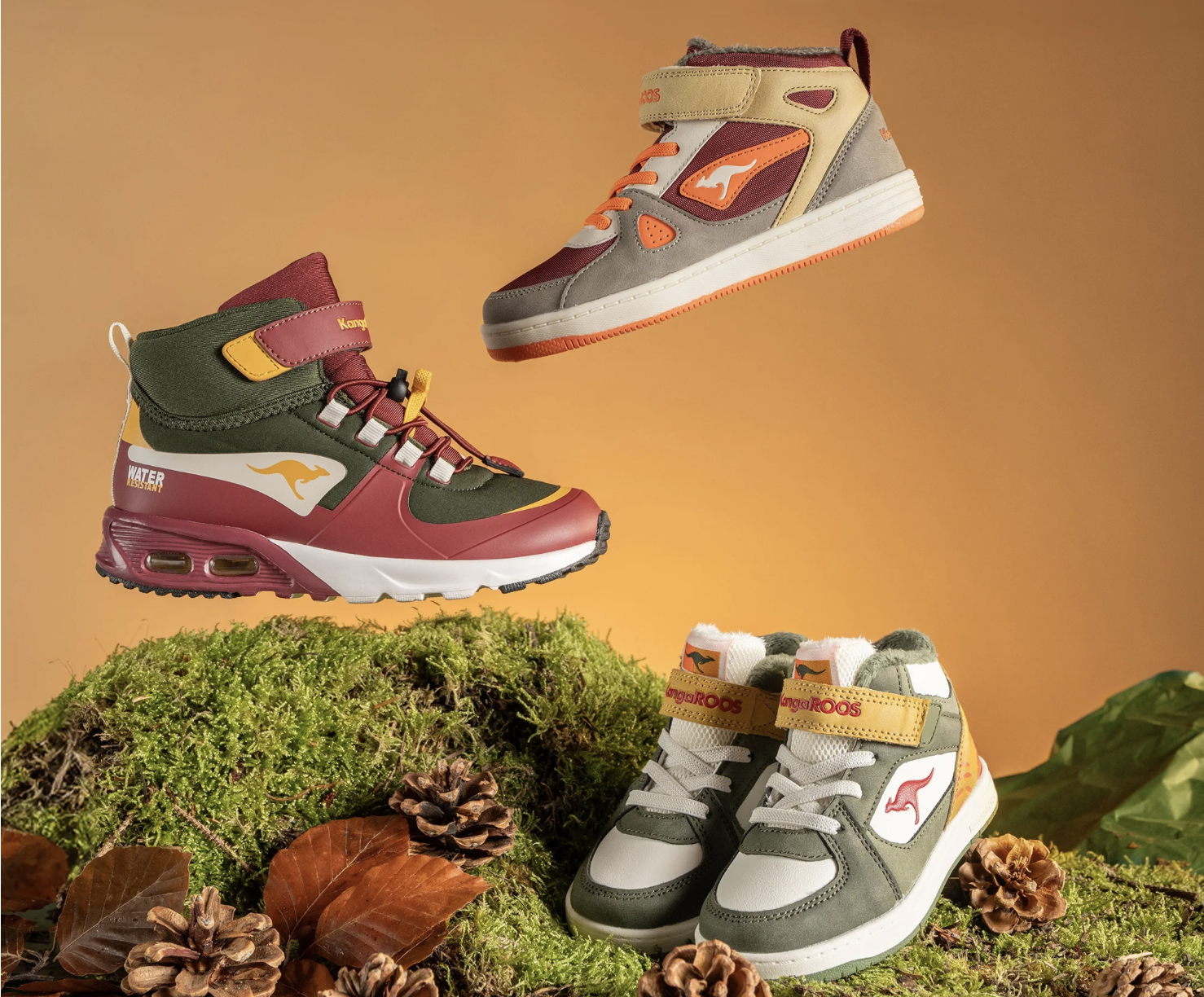
KangaROOS has been an established name in the world of sports footwear and apparel for decades. The brand is inseparably linked to the stylised kangaroo that is registered as a figurative mark in numerous countries. When a surf-oriented clothing brand sought to register a new kangaroo holding a surfboard as a European trademark, the question arose how far the room for manoeuvre for using a kangaroo within the clothing and footwear sector actually extends.
Bare words: the battle over NAKED in cosmetics
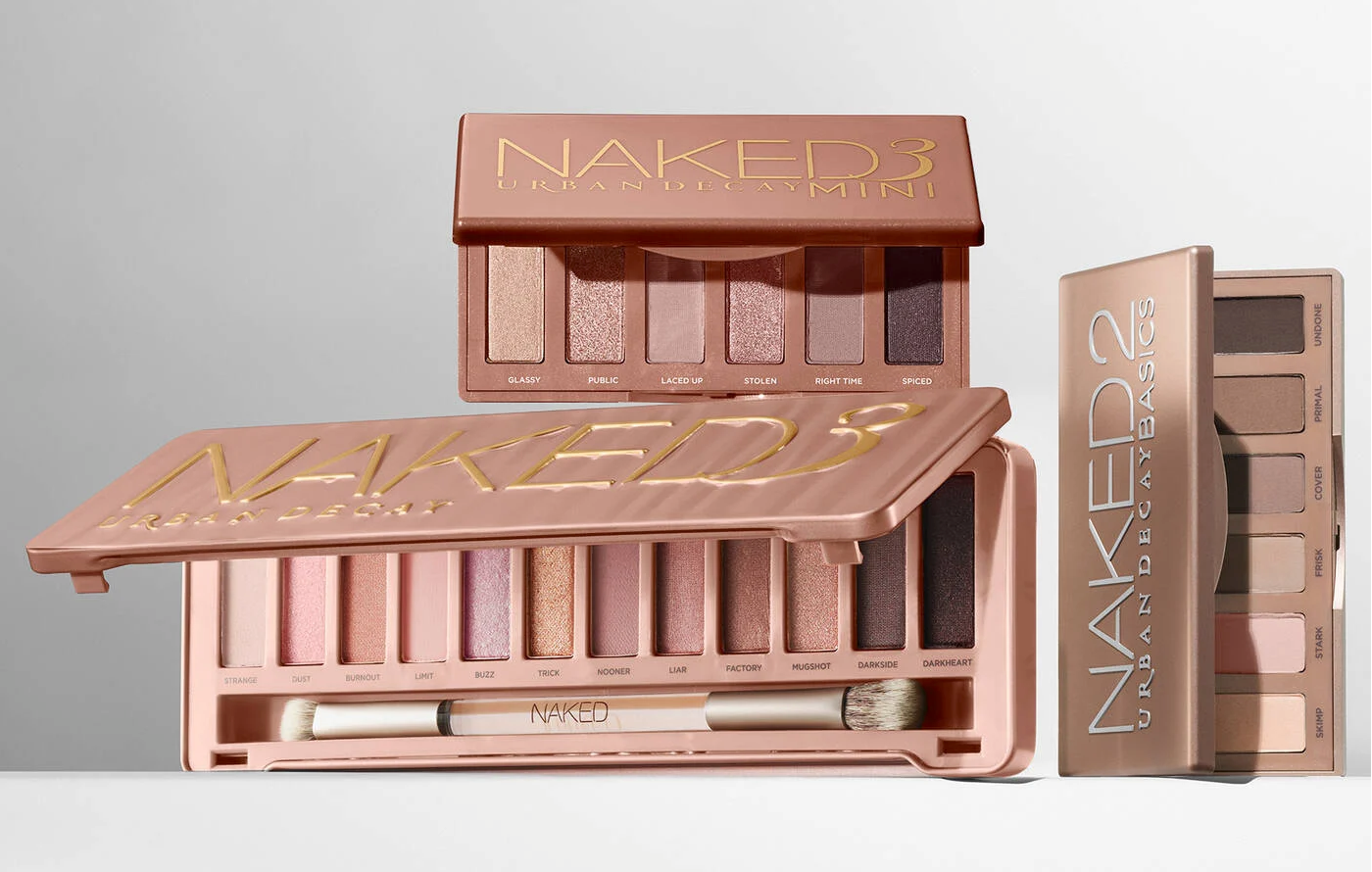
The distinctiveness of L’Oréal’s NAKED brand was recently called into question. L’Oréal had filed an opposition against the European trademark NAKED SUNDAY for cosmetics. In its defense, the applicant for the NAKED SUNDAY mark attempted to portray NAKED as a descriptive term, referring to product characteristics, such as a ‘pure,’ ‘unprocessed,’ or ‘additive-free’ approach.